Front-end development services for websites and web applications
Build your first release or move beyond the limits of your current code
A small change on screen can mean a bigger job in code. We review your codebase and APIs before agreeing what to keep and what to change, then build the interface. For a new build, we turn your designs into working screens and organize the code so your team can add the features that follow.
- Users our clients have reached
- 12M+
- Web projects we’ve delivered
- 50+
- Years of front-end experience
- 7+
- How clients rate us on Clutch
- 4.9/5
When to bring in a front-end development agency
What Merge delivers in a front-end development project
Our front-end developers build responsive screens and reusable components for your website or web application. Depending on the scope, your front-end development deliverables may also include features connected to your APIs, loading and rendering optimizations, and documentation for running the code and working with its components.
Responsive screens
Reusable UI components
Code documentation
Performance optimization
API-connected features

What our clients say

“I’m actually more than happy with how this has been. Everyone is always on top of everything, and every question gets answered. Any request I may have had has been taken seriously.”
Jason Heiber

Founder of Morpheus Media


“They were very professional and efficient. Moving forward, I'll work with them for any dev or design project.”
Roy Wellner
Founder at Augment

“The Merge Development team is very good at what they do. It’s why we’ve continued to use their services even after a year. We plan to work with them for the rest of our business’s life.”
David Kemmerer
CEO & Co-Founder at CoinLedger
1/3
Video testimonial from Jason Heiber
Front-end development pricing
Build or improve your front end
The hourly rate depends on the developer’s level. Share your designs or existing code, and we’ll estimate the work your project needs.
Per developer · USD/hour
$35–55
Best for
A defined release or ongoing development for your website or web app.
What your project can include
- Responsive screens and reusable UI components
- Product flows connected to your APIs
- Refactoring of existing front-end code
- Source code and technical handoff
Know what you’re paying for
We agree the work, team and budget before development starts. If you also need design, backend development, project management or dedicated QA, your estimate accounts for those roles too.
How we build and hand over your front end
A screen can look finished until the data fails to load. We walk through the working flow with you while there’s still time to change it, then check the behavior you approve before release.
Why choose Merge Rocks as your front-end development company
Our front-end stack and tools
Your team should be able to make the next change in the codebase it already knows. We reuse your components and connect new or updated screens to your existing APIs. If a screen needs data your API doesn’t provide, we’ll tell you up front what needs to change on the back end. When we change a shared component, we can test it in Storybook and then check it on the screens that use it.

React

Next.js

Vue.js

Remix

Svelte

TypeScript

Javascript

HTML

CSS

Redux

GraphQL

Tailwind

Sass

Ant Design

Radix UI

Chakra UI

Storybook

GSAP
Before your front-end project starts
Merge's front-end development services include responsive interfaces, reusable components, and attention to performance. Depending on the client's request and project stage, Merge can follow the client's existing design system or create one with its design team. API or back-end integration, documentation, accessibility requirements, full QA, handoff, and release support depend on the agreed scope. For Restream, Merge built a mobile-first pricing page with reusable components and improved the login and signup flows. Merge's guide to front-end development deliverables explains common deliverables in more detail.
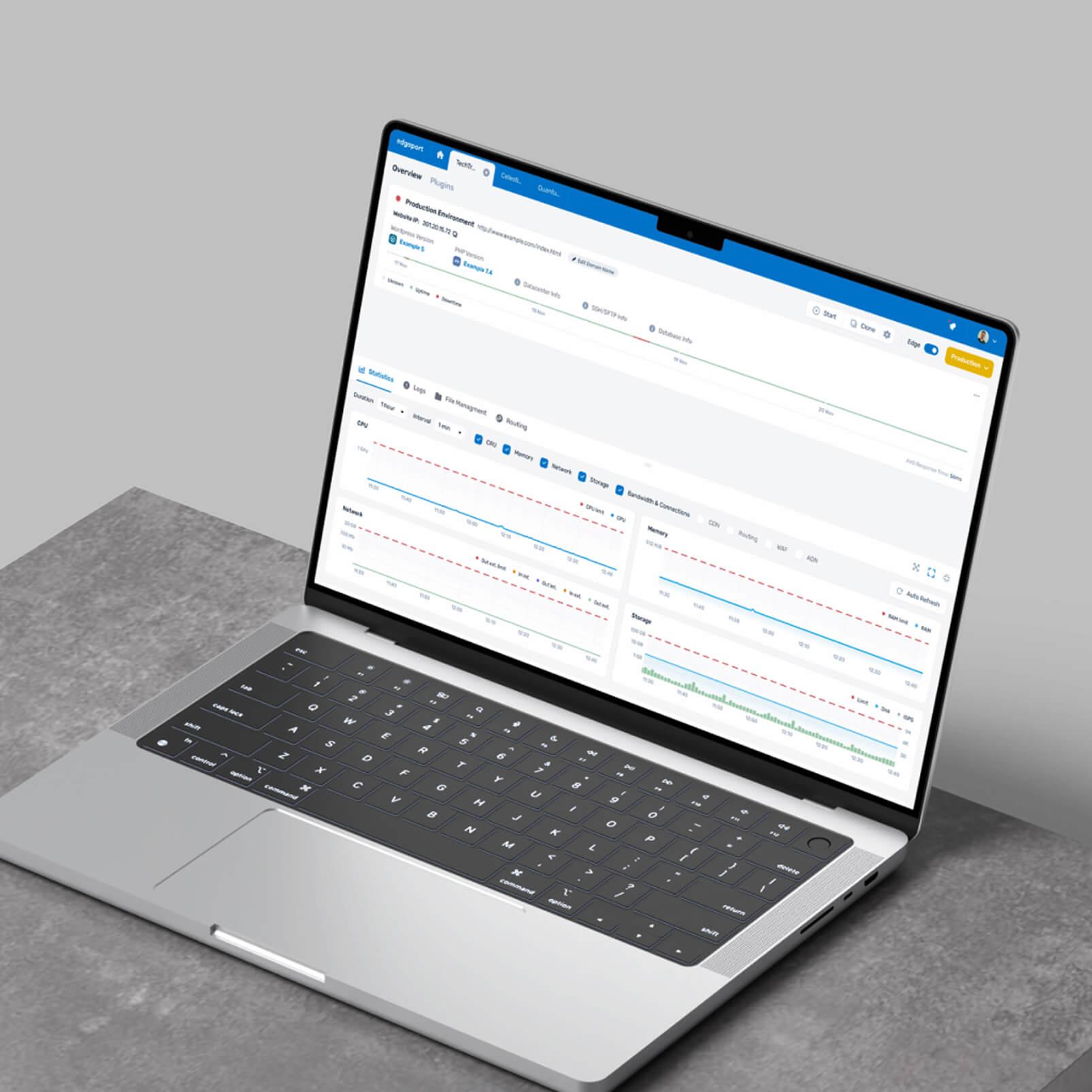
Custom front-end development services are worth considering when a standard theme or builder would require product-specific logic to support the product's roles, workflows, interface states, integrations, or design-system rules. In Edgeport, Merge simplified intricate settings in a cloud-based hosting management platform for administrators and end users. That case supports role-specific interface work; it does not show that every complex website needs a custom build. The decision should follow the product's behavior, existing stack, and maintenance needs.
Yes, when the codebase supports safe incremental change. Merge first assesses the condition of the codebase, technical debt, architecture, and coupling. A targeted refactor or incremental migration can work when one area can change without increasing risk elsewhere. Merge may recommend a rebuild when the architecture blocks safe, effective development or partial changes would create more risk than value. For Restream, Merge migrated Pug views to Next.js while day-to-day website delivery continued. Whether old and new implementations can run side by side still depends on the architecture.
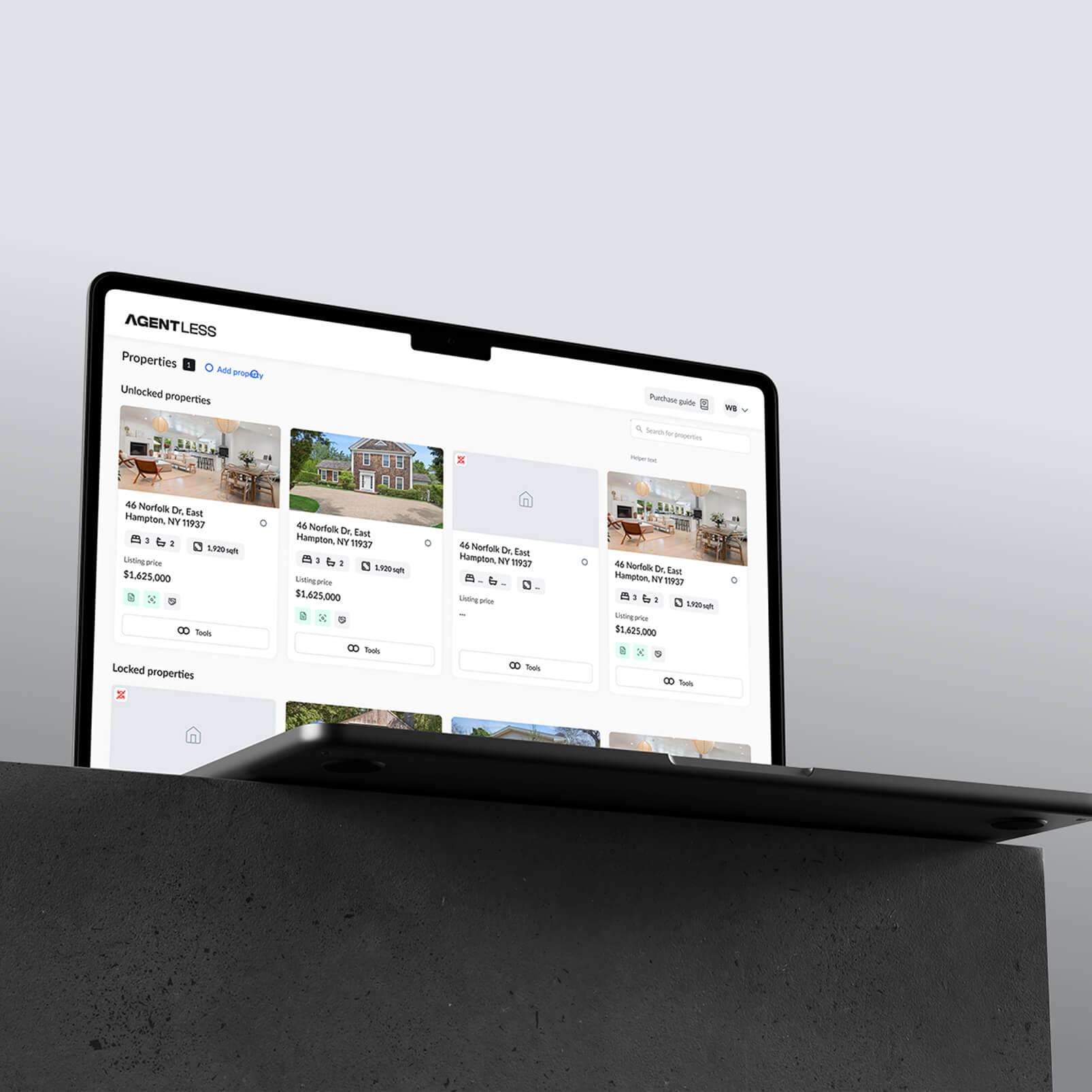
Yes, provided a technical audit confirms the stack and integration boundaries. Merge typically reviews the codebase and architecture, stack, environments, integrations, testing and CI/CD setup, delivery processes, required access, and responsibility split. The Restream engagement included work on an older front end. For Agentless, Merge delivered front-end and back-end development using Next.js, Flask, Supabase, AWS services, and an AI integration for property data and home-inspection reports. Compatibility depends on the client's specific stack. After the audit, Merge takes responsibility for the agreed scope through handoff, with delivery assessed against the agreed technical and functional criteria.
You get the source code and any setup notes your team needs to run the front end and make changes. Before release, we decide together whether your team deploys or we do. If you’d like us to fix issues or make further changes after launch, we agree on that work separately.
We charge $35–55 USD per hour per developer, depending on their level. We estimate how many hours it’ll take to build or update the screens and features you need. If your designs are ready and we can reuse parts of your code, there’s less to design and build. Your estimate also includes any design, back-end development, project management, or dedicated QA the project needs.
A front-end project usually includes kickoff, estimation and planning, regular communication, development, QA, approvals, and release or handoff. The exact schedule depends on scope clarity, design readiness, legacy constraints, integrations, external dependencies, feedback turnaround, and release requirements. The sequence and duration vary by project, and the estimate should account for access, feedback, dependency resolution, and release approval as well as development time. These dependencies belong in the plan even when they sit outside the coding work.
At minimum, Merge developers review code, check the interface across browsers and devices, and test error states. Full professional testing and separate QA support depend on the agreed scope. Performance work may cover page-load speed and rendering; Merge may use Lighthouse or Core Web Vitals when relevant. Any target or score must be agreed in the project scope. On Restream, Merge handled front-end and QA work and reworked pages based on accessibility, flow, and mobile feedback. Specific accessibility targets, browser matrices, CI/CD checks, and release verification remain scope-dependent.
Merge's front-end development team can work alongside existing client teams. On Restream, tasks lived in a shared Linear backlog, the teams kept context in Notion, and Slack and frequent short calls helped them set priorities, unblock access, and bring in specialists when needed. That setup and cadence were specific to Restream. Roles, review points, call frequency, channels, documentation, release or handoff ownership, and any post-launch support vary by project and should be defined in the scope. Merge's How We Work page explains its broader ownership and asynchronous communication principles.
Outsourcing to a front-end web development company makes sense when you need more delivery capacity or a specialist and can give the external team clear priorities, system access, and decisions when needed. The client-side decision owner may be a founder, product lead, engineering lead, or subject-matter lead; the fit does not depend on a large internal product team. A defined release may suit a project engagement, while sustained capacity may point to a dedicated-team model. Merge's guide to outsourcing front-end development explains the options in more detail.