Front-end development services for websites and web applications
Build your first release or move beyond the limits of your current code
A small change on screen can mean a bigger job in code. We review your codebase and APIs before agreeing what to keep and what to change, then build the interface. For a new build, we turn your designs into working screens and organize the code so your team can add the features that follow.
- Users our clients have reached
- 12M+
- Web projects we’ve delivered
- 50+
- Years of front-end experience
- 7+
- How clients rate us on Clutch
- 4.9/5
When to bring in a front-end development agency
What Merge delivers in a front-end development project
Our front-end developers build responsive screens and reusable components for your website or web application. Depending on the scope, your front-end development deliverables may also include features connected to your APIs, loading and rendering optimizations, and documentation for running the code and working with its components.
Responsive screens
Reusable UI components
Code documentation
Performance optimization
API-connected features

What our clients say

“I’m actually more than happy with how this has been. Everyone is always on top of everything, and every question gets answered. Any request I may have had has been taken seriously.”
Jason Heiber

Founder of Morpheus Media


“They were very professional and efficient. Moving forward, I'll work with them for any dev or design project.”
Roy Wellner
Founder at Augment

“The Merge Development team is very good at what they do. It’s why we’ve continued to use their services even after a year. We plan to work with them for the rest of our business’s life.”
David Kemmerer
CEO & Co-Founder at CoinLedger
1/3
Video testimonial from Jason Heiber
Front-end development pricing
Build or improve your front end
The hourly rate depends on the developer’s level. Share your designs or existing code, and we’ll estimate the work your project needs.
Per developer · USD/hour
$35–55
Best for
A defined release or ongoing development for your website or web app.
What your project can include
- Responsive screens and reusable UI components
- Product flows connected to your APIs
- Refactoring of existing front-end code
- Source code and technical handoff
Know what you’re paying for
We agree the work, team and budget before development starts. If you also need design, backend development, project management or dedicated QA, your estimate accounts for those roles too.
How we build and hand over your front end
You can try the interface while there’s still time to change it. We build the screens and integrations, review the flows with you and check the agreed behavior before release.
Why choose Merge Rocks as your front-end development company
Our front-end stack and tools
Your team should be able to make the next change in the codebase it already knows. We reuse your components and connect new or updated screens to your existing APIs. If a screen needs data your API doesn’t provide, we’ll tell you up front what needs to change on the back end. When we change a shared component, we can test it in Storybook and then check it on the screens that use it.

React

Next.js

Vue.js

Remix

Svelte

TypeScript

Javascript

HTML

CSS

Redux

GraphQL

Tailwind

Sass

Ant Design

Radix UI

Chakra UI

Storybook

GSAP
Your industry shapes what the front end needs to do
We’ve built web apps and marketing websites for teams in these industries. On a homebuying site, for example, that included a calculator to help buyers estimate what they could save without an agent.
Before your front-end project starts
We build responsive screens and reusable components for new and existing websites and web apps. You can bring us finished designs to implement. If you already use a design system, we can work within it. Our designers can join the project if you need help designing screens or creating a design system. Before we start, we agree on the scope with you. Depending on the project, it can include API integration, documentation for your team, back-end development, dedicated QA, and help with release. We also confirm any specific accessibility or performance requirements the interface needs to meet. Guide to front-end development deliverables
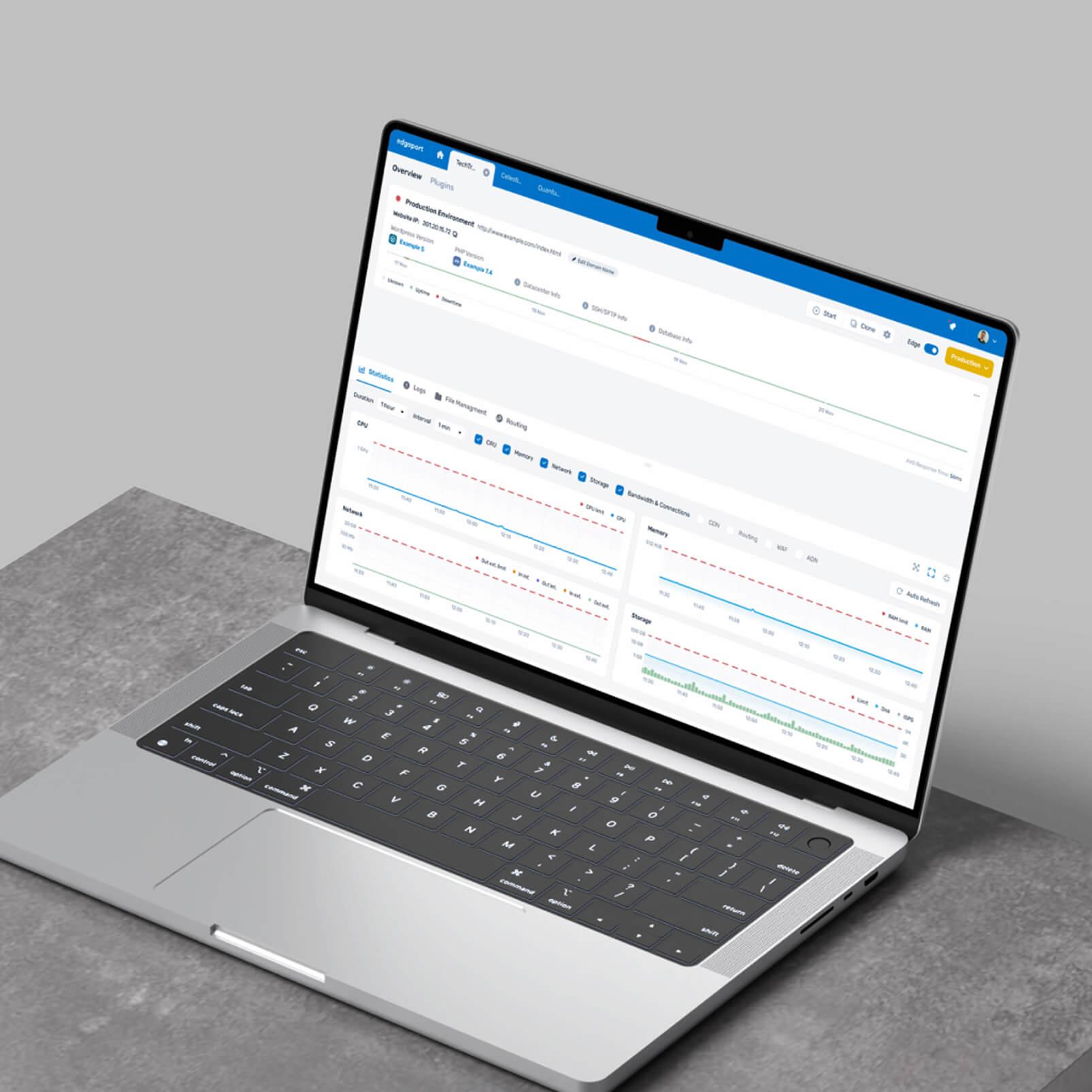
A template works well when it already supports what your users need to do. Say an admin needs to configure a service while a customer only needs to see whether it’s running. If both views rely on the same API, each needs to show what’s happening while data loads and what to do if the request fails. If adding a setting or changing the API means updating workarounds in several places to keep both views working, a custom front end can be easier to maintain. At Edgeport, we simplified settings in its cloud hosting management platform for both administrators and end users. Edgeport case study
Yes, if we can update one part of your front end while the rest keeps working. We check what the page or flow depends on, such as shared sign-in, navigation, or UI components. That tells us whether we can refactor it in place or migrate it in stages. If keeping the old and new versions working side by side means reworking the same shared code at each stage, a rebuild can be safer. At Restream, we moved selected pages from Pug to Next.js while regular site work continued, including updates to login and signup. Restream case study
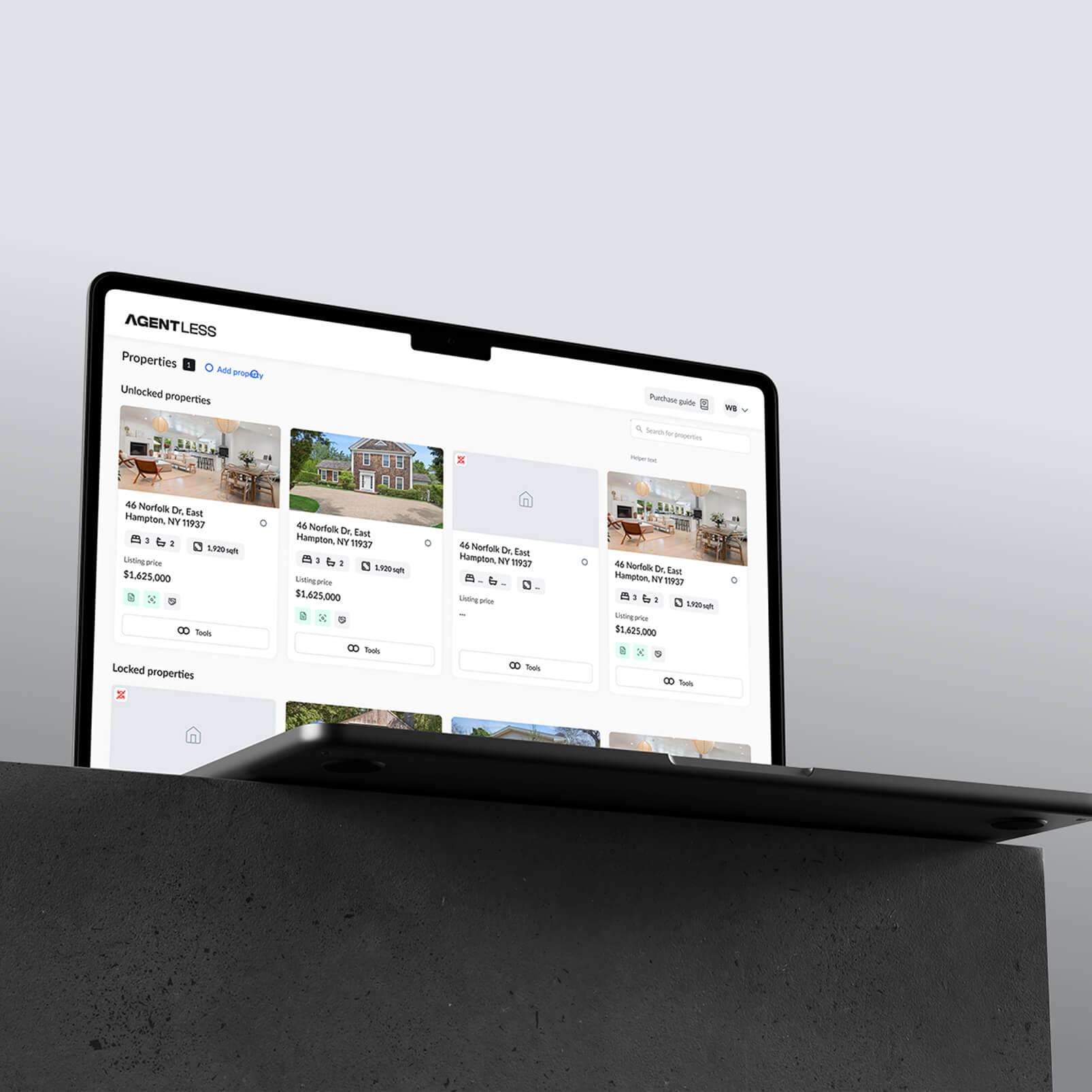
Yes, if our technical review confirms we can build on your current stack. We look at your front-end code, the systems it connects to, and how your team tests and deploys updates. That tells us which components and integrations we can keep and what needs to change for the feature to work. If a feature needs a new API endpoint or a change to an existing one, your engineers can make that update. If we agree to take it on, we include that back-end work in your estimate. Before we build, we agree on what each team owns and how we’ll check that the feature works with your existing systems. We’re responsible for our part through testing and handoff. For Agentless, we built both the front end and back end of a homebuying platform, including an AI integration for property data and home inspection reports. Agentless case study
You get the source code and any setup notes your team needs to run the front end and make changes. Before release, we decide together whether your team deploys or we do. If you’d like us to fix issues or make further changes after launch, we agree on that work separately.
We charge $35–55 USD per hour per developer, depending on their level. We estimate how many hours it’ll take to build or update the screens and features you need. If your designs are ready and we can reuse parts of your code, there’s less to design and build. Your estimate also includes any design, back-end development, project management, or dedicated QA the project needs.
A single screen can ship sooner when the design is approved and the API already provides the data it needs. If several connected flows need to go live together, we build each one and test how they work together. A change to shared code or an API update from another team can move the release date for all of them. We also plan for when we’ll get access and how much time your team needs to review the work and approve the release. For a first estimate, tell us what you want to build or change and when you’d like to release it. If you have designs or a live product, send us a link.
We review the code and test the agreed flows on the browsers and devices we’ve chosen with you for the release. If a form fails to submit, for example, we check that people see a clear error message and can try again. If you need dedicated QA, wider browser and device coverage, automated release checks, or an accessibility or performance audit, we agree on that work up front. We also confirm any accessibility standards or performance targets we’ll test against.
At the start, we agree on who sets priorities. For example, your product lead might decide which flows need to be ready for the next release. We can use the backlog and channels your team already works in so it’s easy to see what’s in progress and what needs a decision. When a flow is ready to try, we share it with your team. Product can check whether it solves the right problem, design can review how it behaves, and engineering can check how it fits the existing code and APIs. If feedback calls for a change, we show what work it would add or replace and whether it would move the release date. The person you’ve put in charge of scope and timing decides whether to make the change. When the work is ready, the person you’ve chosen to sign off gives the go-ahead to release. How we work
Outsourcing makes sense when you know what needs to ship and your team needs more capacity or a specialist. If you’re planning one release with a defined scope, such as a site migration, you can bring in a team for that project. If you have a steady stream of front-end work, a dedicated team can build on what it learns about your product and codebase from one release to the next. On your side, someone needs to set priorities, arrange access, and review the work. Your team approves any changes to scope and accepts the work once it meets the agreed requirements. On a small team, a founder or an engineering lead can take on those responsibilities. Guide to outsourcing front-end development