Digital product design services for software teams
Connect the roles, states, and flows before you build
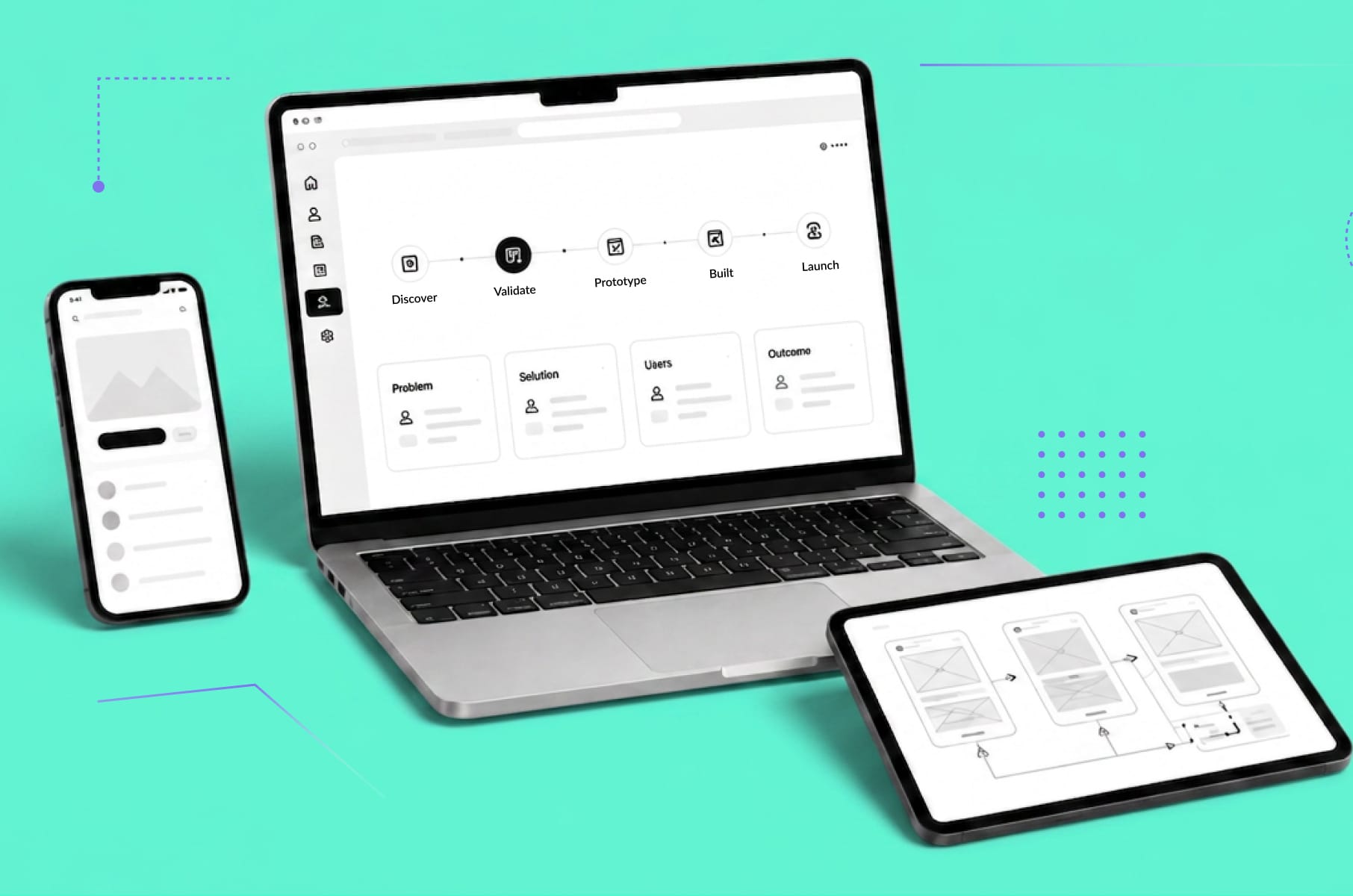
As a digital product design agency, Merge maps how different roles move through a product and defines what the interface needs to show along the way. See published work on trading platforms, property-buying products, and an immersive VR workspace.
Book a call

Design sprint
/sprint
Design sprint
Best for the urgent design challenge
sprint
POC design, Fast branding or a Landing page
Validate the solution in 2 weeks
Daily updates
On-demand team
Сontinuous design support for Angel to Seed startups
month
Interview designers
Use hours on your demand
Adjust the team on the fly
Dedicated customer manager
Weekly hours report
Exclusive
Individual approach to your business
from
Domain-related professionals
Tailored proposal
Fixed price projects
Dedicated Project Manager
Growth-focused design
Enhanced capabilities like Motion, Illustration
On-boarding within 1 week


Start Product Design with what your team already knows
Work on a new product can begin once the problem and audience are understood, even if the experience still needs direction. One defined feature keeps the scope focused without reopening the entire product. For an existing workflow or product area, the scope can target what needs to change while preserving what already works. If the problem, audience, or priorities remain unresolved, begin with Product UX Discovery; if several journeys or the visual language need reconsideration, choose Product Redesign.
Talk to us
What our product design services can include
Based on what already exists and the agreed scope, Merge can clarify product direction, map core flows, define interface states, and establish reusable patterns.



How product design moves from evidence to approval
The four stages adapt to the agreed scope, including the product area, platform coverage, and number of review rounds defined for the engagement.
1
Discovery
We review the available evidence, business goals, intended users, and known constraints. We add research or engineering input only when the agreed scope requires it.
2
Concept
We shape the product logic, core journeys, and key interactions, then review the proposed flows with you before moving into detailed visual work.
3
Design
We agree on the visual direction and key screens first, then develop the remaining screens, states, and platform coverage defined in the scope.
4
Iteration
We collect consolidated feedback in Figma or another agreed channel, apply changes through the defined review rounds, and finish with the approved design.
Design handoff for your developers

Why choose Merge for your product design?

Design around your priorities
Our designers use your business context and product priorities to choose a design direction and focus the work on the problems you need to solve.

UX clarity and visual craft
We connect information structure with visual hierarchy, using layout and consistent styling to help users find, scan, and understand important information across each screen.

Direct designer access
You speak directly with your designers through agreed calls or async updates, so you know what's in progress and can share context while choices are still open.

Product logic and technical fit
We consider the tasks each user role needs to complete alongside implementation constraints. Engineers can join the discussion to explore simpler options.

Control over scope changes
Changes that affect the budget or timeline require your written approval. We explain the impact first, so you can decide whether the additional work is worth the extra cost or time.

Clear interface feedback
Within the agreed flows, we design responses to user actions and the necessary interface states to help people understand what happened and what they can do next.
Our product design experience
Explore our product design projects, including trading interfaces and virtual workspaces, to see what each product needed and the design work we contributed.


Versus Trade
Versus Trade lets users trade asset-versus-asset CFDs and track performance on web and mobile. The project set up Client and Partner products with quick flows, data-heavy views, MT5 redirects, and RTL support. We led product design, with journeys, states, IA, and priorities, tuned for Asia and MENA. The launch hit plan, scaled across 3,000 screens, and stayed coherent.
View caseWhat our clients say







Product and Website Metrics Glow-Up Guide
A collection of tips from our product and website experience, showing you which metrics matter and how to improve them effectively with design, development, and content tweaks.
Metrics overview
Development strategies
Best design practices
Improvement techniques