MVP development services for new software products
Build the first release around what makes it worth using
Bring us an early idea or the product materials you already have. We define the useful core and carry it through product design and software engineering into a working MVP.
Start custom MVP development at the right stage
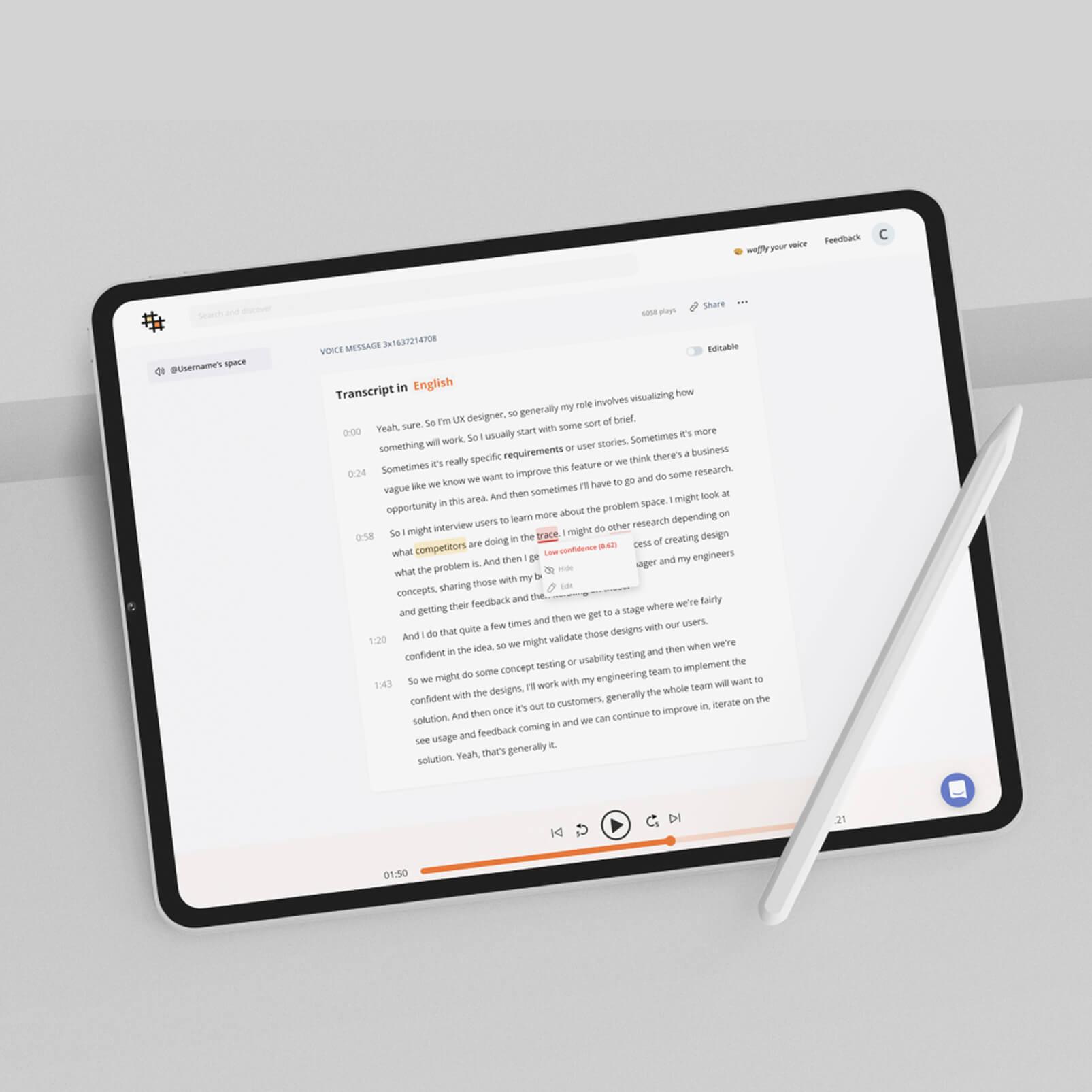
Startups and established product teams come to us with an idea, brief, prototype, or backlog. As an MVP development company, we review the evidence and separate settled decisions from constraints, dependencies, and questions that still need validation. If the intended users, core workflow, or priorities remain unclear, Product UX Discovery can help answer those questions before the first-release scope is set. Waffly shows one route: Merge contributed discovery, product architecture and planning, POC development, and MVP development.
MVP development services scoped to your first release
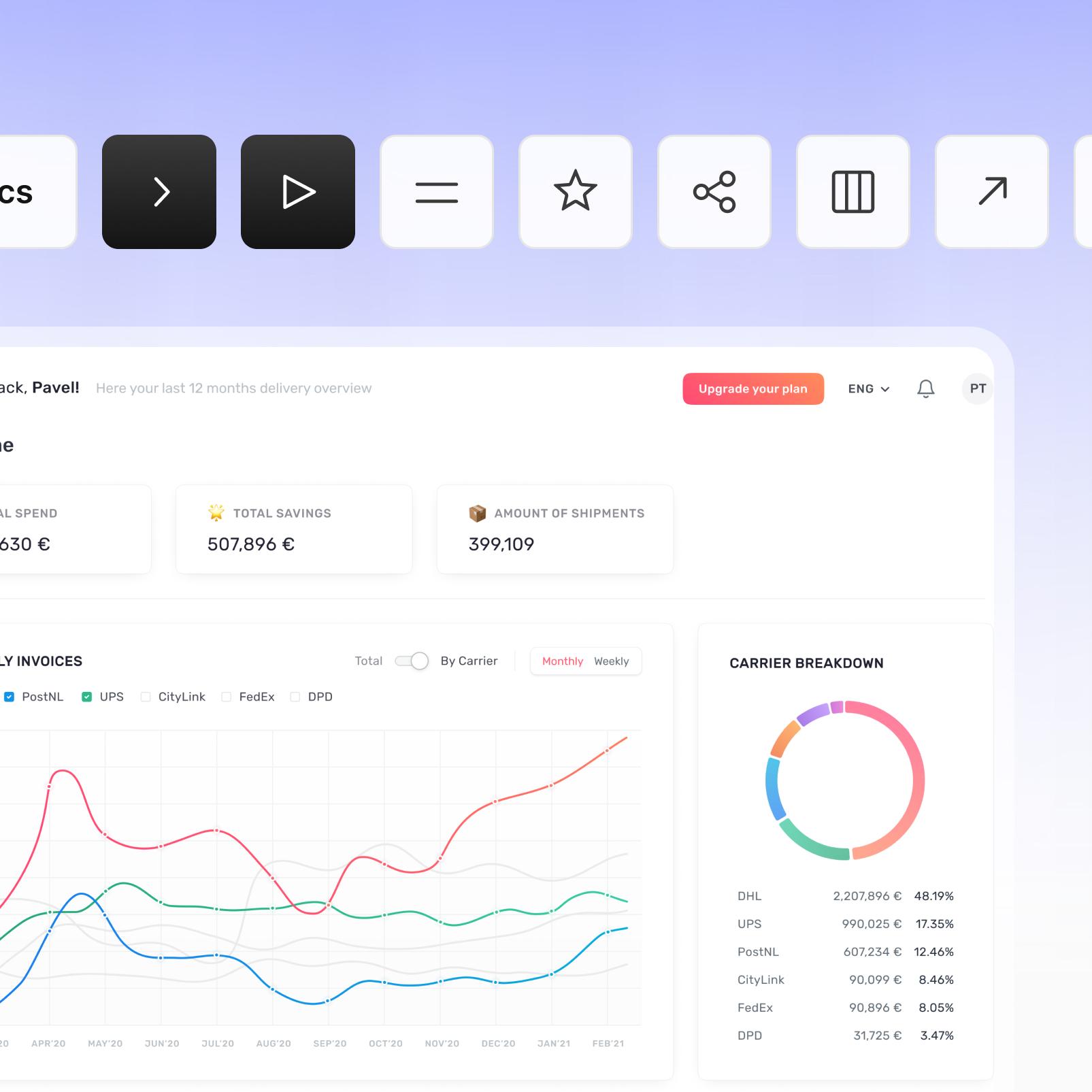
Your agreed scope becomes a concrete set of product planning, interface design, software engineering, QA, and release outputs for the MVP.
How we estimate your MVP development project
We base the estimate on the first-release scope, design maturity, engineering layers, integrations, and open technical questions. We also agree with your team whether Merge handles design, development, or both, then record responsibilities, dependencies, acceptance criteria, and exclusions. If the scope changes, we review its effect on effort and timing before adding the work.
Our MVP development process
Our MVP design and development work follows the agreed scope. Your team reviews designs and working software at agreed checkpoints, then approves the result for release or handoff.
Our technology choices follow the scope

Next.js

React

TypeScript

Node.js

Supabase

MongoDB

GraphQL

OpenAI
How our role changes across MVP projects
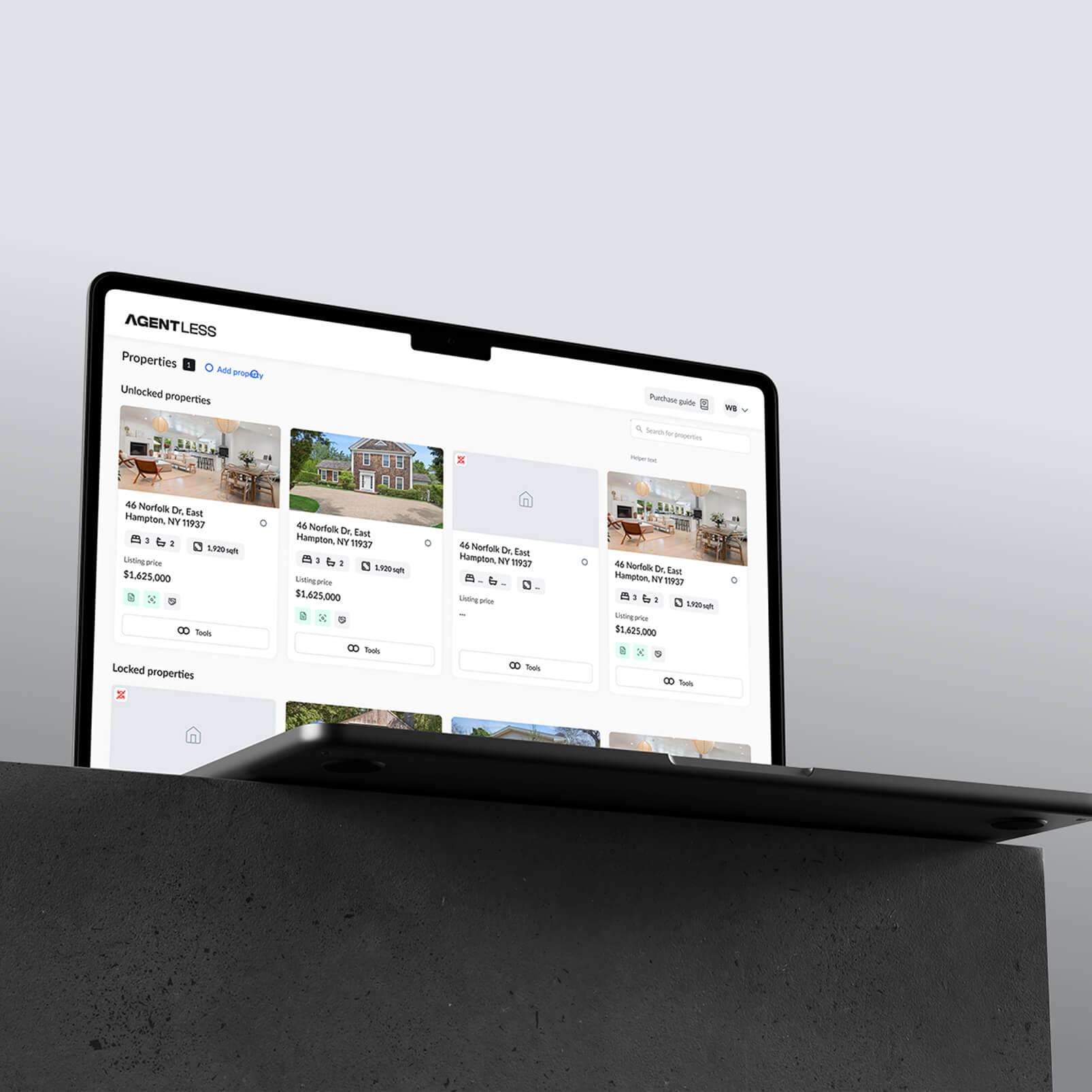
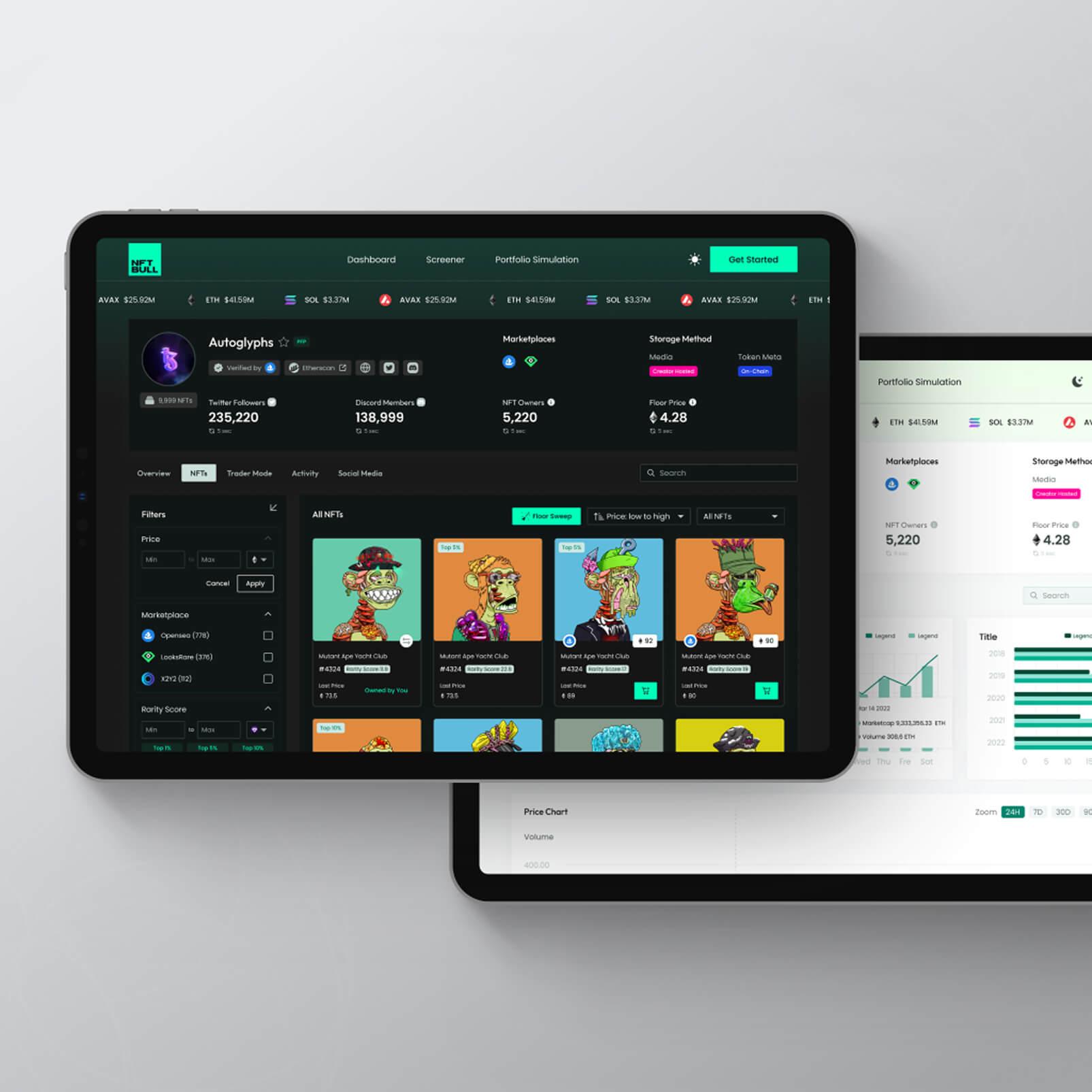
In Waffly, we handled POC and MVP development, while Promtify reflects our in-house product work. For NFT Bull, we delivered MVP design and Webflow development; for Zeebu, scope, core user flows, and implementation handoff.


Why product teams choose Merge for MVP development
What our clients say

“The Merge Development team is very good at what they do. It’s why we’ve continued to use their services even after a year. We plan to work with them for the rest of our business’s life.”
David Kemmerer

CEO & Co-Founder at CoinLedger


“We found their expertise in the fintech industry and delivery with a focus on business objectives quite impressive. And, of course, the team excels in both design and development.”
Denys Volokh
CTO at Noviscient


“We find their approach to working processes, design, and development very satisfying and that usually only top agencies can provide.”
Charlie Karaboga
CEO & Co-Founder at Block Earner
Video testimonial from David Kemmerer
Questions to ask before choosing an MVP development company
The first 1–2 weeks usually establish how delivery will run, but the sequence depends on what you bring and which questions remain open. Merge and your team confirm access, decision owners, review windows, responsibilities, dependencies, and the first work package. They also record risks and the next design or engineering milestone. Missing access, unavailable approvers, or unresolved product questions can extend this phase, so its expected length is confirmed at kickoff.
Merge estimates each MVP project after the first-release scope and major assumptions are clear enough to assess. Cost changes with design readiness, target platforms, engineering layers, integrations, data or AI requirements, QA, release responsibilities, and handoff. An existing backlog or prototype can reduce uncertainty, but it does not determine price on its own. The estimate should name exclusions, client responsibilities, acceptance criteria, and how approved changes affect cost.
Merge sets a project timeline after reviewing the release scope, design readiness, technical dependencies, integrations, review windows, and release requirements. The plan identifies milestones, client review dates, external dependencies, and the person who can approve each stage. Missing access, unresolved decisions, or late feedback can move planned dates. If scope or responsibilities change, Merge reassesses the schedule before committing to the additional work.
Merge can join your product team or take responsibility for a defined workstream. Before delivery, both sides agree roles, technical decision rights, required access, review owners, release responsibilities, tools, and communication cadence. Merge can use an established stack and workflow when the engagement calls for it, after checking compatibility and access. With Restream, Merge worked alongside the client's existing design and legacy stack within a shared product workflow. Your team retains business priorities, budget authority, and launch approval.
Changes are assessed before added work begins. The project manager records the request, and the relevant design or engineering owner checks the effect on deliverables, dependencies, QA, budget, and timing. Both sides may agree to exchange priorities without increasing the overall scope when the trade-off is clear. If a change adds material work, its impact and approval are documented under the project terms before the affected work proceeds.
QA and release checks are defined for the product risks, supported environments, acceptance criteria, and responsibilities in the project scope. Depending on the engagement, they may cover core and negative flows, permissions and states, integrations and data integrity, responsive or cross-browser behavior, accessibility checks, regression, deployment readiness, and smoke testing. When Merge owns the build, it addresses agreed blocking issues. Your team completes any assigned UAT, confirms business acceptance, and approves launch.
Handoff and ownership are defined by the project scope and applicable agreement. Paid custom deliverables normally transfer to the client under those agreed terms. Pre-existing Merge materials, open-source components, and third-party services or licences remain subject to applicable rights and exclusions. Depending on scope, handoff may include repositories, editable Figma files and assets, setup or architecture notes, integration or deployment documentation, backlog and known-issue records, account access, and knowledge transfer. Both teams confirm that the named owner can access and continue the work.