0
Table of Contents
How can you tell if your product branding is working
If you have already invested in branding a product and want to know whether it has landed.
Your product branding is “working” when it changes what people know, feel, and do in your favor.
More people can recognize and remember you, they associate you with the right attributes, they convert and stay at higher rates (or with lower acquisition cost), and they tolerate higher prices because the value feels clearer and more distinctive.
Those behaviors are measurable, and if you are not measuring them, you are guessing whether your brand investment paid off.
This article is for founders, product leaders, and marketing decision-makers who have already invested in branding a product and want to know whether it landed.
As a UX design agency for SaaS, Fintech, and Web3 startups, our Merge crew knows which signals to track, the specific metrics and tools behind each one, the warning signs that your branding is underperforming, as well as real product branding examples that show what measurement looks like in practice. And that’s what we will cover today.
By the way, if you are still in the process of building your brand identity, start with our step-by-step branding design guide first. This article picks up where that process ends.
What is product branding and why does measuring it matter?
What is product branding? It is the combination of design, messaging, and experience that makes a single product recognizable and distinct from everything else in its category.
What does branding mean in practice? It means your product carries a specific identity, usually a name, visual system, voice, and set of associations, that customers remember and prefer.
Effective product branding should produce three outcomes:
- Recognition: people know you exist.
- Preference: people choose you over alternatives.
- Loyalty: people stay and tell others.
Most companies track none of these after their brand launch. McKinsey research found that while 83% of executives named measuring brand performance as a priority, fewer than half had mature measurement practices. There’s a gap between intention and execution, and it is where branding budgets usually disappear.
The fix is to decide what "working" means for your product brand, select the right metrics, and track them consistently. Here is how.
Product branding metrics dashboard (all the detailed explanations below in the article)
Signal category | What it measures | Key metrics | Tools to track |
Recognition | Does your audience know you exist? | Unaided brand recall, aided awareness, branded search volume, visual recognition speed | Google Search Console, Attest, Typeform, five-second usability tests |
Revenue | Is your branding converting to money? | Premium pricing power, customer acquisition cost (CAC), branded vs. generic traffic conversion rate | CRM win/loss reports, Google Analytics (segment by traffic source), pricing audits |
Loyalty | Do customers stay and recommend you? | Net Promoter Score (NPS), repeat purchase/retention rate, referral volume, review platform mentions | In-product NPS surveys, Typeform, G2/Capterra monitoring, CRM referral tagging |
Market position | Where do you stand relative to competitors? | Share of voice, competitive win rate, category association (unaided recall by category) | Social monitoring (Brandwatch, Mention), sales win/loss analysis, quarterly market surveys |
Recognition signals
Do enough right people know we exist?
The first test of effective product branding is whether your target audience can identify your product without prompting. Recognition is the foundation of every product brand. No one buys what they cannot recall.
Brand recall and aided awareness
Brand recall is the likelihood that someone names your product unprompted when asked about your category. "Name a project management tool" - if yours comes up, your product brand has passed the first test.
For aided awareness, show someone your logo or product name and ask if they recognize it. Both numbers matter, but unaided recall is a bit stronger signal. For example, a startup with 40% aided awareness and 8% unaided recall knows its branding registers visually but has not earned a place on the buyer's shortlist.
How to measure this:
Run quarterly surveys through tools like Attest or Typeform. For example, you can ask a sample of your target market to name products in your category (unaided) and then show your brand assets and measure recognition (aided).
Branded search volume
People who search for your product by name already know you exist. Branded search volume, however, which is the number of monthly searches for your product name, measures brand awareness directly without surveys.
If your branded product name gets 500 searches per month in January and 2,000 by June, your product branding awareness is growing. Google Search Console gives you this data for free, so you can track it monthly alongside your broader marketing activity to see which efforts drive better recognition.
Visual recognition speed
A consistent color palette can improve brand recognition by up to 80%, according to research on visual branding. When your product's visual identity works, users recognize your screens, emails, and ads as yours before reading a single word.
Run a five-second test: show your product interface or marketing material to someone for five seconds, then ask what they remember. If they recall your brand, your brand identity design is doing its job. If they recall only generic category impressions, your visual system is not distinct enough.
Revenue signals
Is our branding driving purchase decisions?
Recognition means nothing if it does not convert to revenue. The second category of product branding signals ties your brand directly to what your customers spend and how they spend it.
Premium pricing power
Strong product brands command higher prices. Capital One Shopping research found that 68% of loyal customers would continue buying from their preferred brands even after a price increase. If your customers accept your pricing without heavy negotiation or comparison shopping, your branding has built perceived value.
Measure this by tracking your average selling price against category averages. You can also monitor price sensitivity through win/loss analysis in sales. A branded product that wins deals at 15-20% above category average price signals strong brand equity.
Customer acquisition cost relative to category
Effective branding of products and services lowers your customer acquisition cost (CAC) over time. Strong brands generate inbound demand. People search for you by name, click your ads at higher rates, and convert faster because trust already exists.
Harvard Business Review research shows that brand building and performance marketing work together to lower acquisition costs over time. Track your CAC quarterly, and if it decreases while volume stays flat or grows, your product brand strategy is compounding.
Conversion rate on branded traffic
The gap between branded and generic search conversion rates reflects your brand's ability to pre-sell. Branded visitors searched your product name. Generic visitors searched a category term. Compare the two.
A strong gap looks like this: branded traffic converts at 8-12%, generic traffic at 1-3%. If your branded traffic converts at only 2-3% - barely better than cold traffic - your product branding is generating awareness but not trust.
Branded vs. non-branded traffic comparison
Metric | Branded traffic | Non-branded traffic | What the gap tells you |
Typical conversion rate | 8-12% | 1-3% | A 4-10x gap indicates strong pre-purchase trust from branding |
Average time on site | Higher (they came for you specifically) | Lower (they are comparing options) | Branded visitors explore more deeply - a sign of intent |
Bounce rate | Lower (15-30%) | Higher (40-60%) | Branded visitors are less likely to leave immediately |
Pages per session | 3-5 pages | 1-2 pages | Branded visitors check pricing, case studies, and about pages |
If the gap is narrow (<2x) | Your branding generates name recognition but not trust | Generic visitors convert at similar rates | Your brand is known but not yet preferred - focus on differentiation and social proof |
If branded traffic is low volume | Few people search for you by name | Most traffic comes through generic queries | Your brand has not yet registered in the market - focus on top-of-funnel brand awareness |
Loyalty signals
Do customers stay and spread the word?
A one-time purchase proves your marketing worked. Repeat purchases prove your product branding worked. Loyalty is where the investment in branding your product pays for itself.
Net Promoter Score (NPS)
NPS asks one question: "How likely are you to recommend this product to a colleague?" Scores range from -100 to +100. Tracking NPS over time tells you whether your brand promise aligns with the product experience.
An NPS above 50 is strong. Above 70 is exceptional. The number itself matters less than the trend. A product brand with NPS rising from 30 to 45 over six months is building the right kind of equity. NPS dropping from 50 to 35 signals a gap between what your brand promises and what your product delivers.
Repeat purchase rate and retention
For SaaS products, for example, you should track monthly and annual retention (as opposed to physical or e-commerce products, where you track repeat purchase rates). A 5% increase in customer retention can increase profits by 25-95%, according to HubSpot's analysis of retention research. That range is wide, but the direction is consistent: keeping customers costs less than finding new ones.
If your product branding is effective, retained customers should have a higher lifetime value than your average customer. They buy more, upgrade more, and cost less to serve because they already trust your brand. Segment your retention data by acquisition channel to see which brand touchpoints produce more loyal customers.
Referral and word-of-mouth volume
Referrals (both formal programs and organic mentions) are among the clearest signals that your brand has built something people want to talk about. G2 research found that 84% of shoppers prefer to buy from brands they share values with, which means your brand's principles directly influence whether customers recommend you.
Measure this through referral program participation, social mentions, review volume on platforms like G2 or Capterra, and direct survey questions asking "How did you hear about us?"
Market signals
Where do we stand against competitors?
The final category of product branding measurement zooms out from your own metrics to your position relative to the market.
Share of voice
Share of voice measures how much of the conversation in your category belongs to you. Track it through social media monitoring tools, branded search volume as a percentage of total category search volume, and media mentions relative to competitors.
A product brand strategy is gaining traction when your share of voice grows faster than your market share. That gap predicts future growth. Consistent brands capture more attention, which drives more conversation, which builds share of voice.
Competitive win rate
When product branding works, your win rate against specific competitors should improve over time - not because your product changed, but because prospects enter the conversation with stronger prior impressions. If your sales team tracks win/loss data, this is one of the most telling metrics to watch.
Ask lost prospects why they chose a competitor. If the answer is consistently about features or price, your branding has not built enough differentiated value. If the answer shifts toward "they were a better fit for our specific needs," your positioning is at least registering.
Category association
The strongest product brand examples come from companies that became synonymous with their category:
- Slack became the default reference for team messaging.
- Figma became shorthand for collaborative design.
You can measure how close your product is to this status by tracking unaided recall rates within your target market over time.
A strong example of branding in marketing is when someone says the product name to describe the activity itself. You are not there yet (almost nobody is, aside from some very big names), but the trajectory tells you whether your product and brand strategy is moving in that direction.
Warning signs your product branding is not working
Knowing what effective product branding looks like also means recognizing failure early. Here are five signals that your branding needs attention.
- Flat or declining branded search volume.
If people are not searching for you by name after 6-12 months of market presence, your brand has not registered. Before asking how to brand a product differently, check whether your brand is reaching the right audience at all.
- High price sensitivity in sales conversations.
When every deal involves a discount negotiation, your product brand has not built enough perceived value. Prospects see you as interchangeable with alternatives. This is especially damaging in trust-dependent industries like financial services branding, where perceived reliability drives the entire purchasing decision.
- Low repeat engagement.
If your customers buy once and vanish, or they sign up for your SaaS trial and never return, that's low repeat engagement. Your brand promise attracted them, but the experience (or the lack of ongoing brand reinforcement) did not hold.
- Inconsistent recognition across channels.
Your website looks polished, but your emails feel generic, and your social presence looks like a different company. Marq found that consistent branding increases revenue by 10-20%.
- Your team cannot articulate the brand.
If you ask five employees to describe your product's brand in one sentence and get five different answers, your branding exists only in your brand book. It has not become operational. 95% of organizations have brand guidelines, but only 25-30% consistently enforce them.
Warning signs diagnostic - What each signal means and how to fix it
Warning sign | Most likely cause | First fix to try | Metric to watch after |
Flat/declining branded search volume | Brand is not reaching the target audience, or the product name is not memorable | Audit distribution channels - where are you showing up? Test product name recognition with five-second tests | Branded search volume (monthly) |
High price sensitivity in sales | Brand has not built differentiated perceived value - prospects see you as interchangeable | Sharpen positioning statement. Identify and communicate your unique value in the first 30 seconds of any sales interaction | Competitive win rate, average deal size |
Low repeat engagement / one-time buyers | Gap between brand promise (what marketing says) and product experience (what users feel) | Map the post-purchase journey. Identify where brand reinforcement drops off. Add branded touchpoints in onboarding and retention flows | Retention rate, repeat purchase rate, NPS trend |
Inconsistent recognition across channels | No brand guidelines enforced, or guidelines exist but teams are not using them | Run a cross-channel brand audit. Screenshot every touchpoint - website, emails, social, ads, product - and lay them side by side | Aided awareness, brand consistency score (self-audit) |
Team cannot articulate the brand | Branding lives in a PDF, not in company culture. Internal alignment was skipped | Run a 1-question internal survey: "Describe our brand in one sentence." Use the variance to identify the gap. Then run a brand alignment workshop | Internal brand alignment score, employee NPS |
Product branding examples
Abstract product branding data is useful, but let's see how it's being applied.
Sheertex grew revenue from $5 million to $50 million in four years by tracking which brand messages drove repeat purchases. Their product brand strategy focused on durability testing content - not fashion photography - because their data showed product testing content outperformed lifestyle imagery for retention.
Made In Cookware tracked which brand touchpoints drove their highest-value customers and built their product and brand strategy around chef partnerships, and the result is 45% year-over-year revenue growth and placement in over 100 Michelin-starred restaurants.
Both examples illustrate that effective product/service branding is a loop:
brand → measure → adjust → rebrand where needed
We have seen the same measurement-first approach work across our own branding projects at Merge.
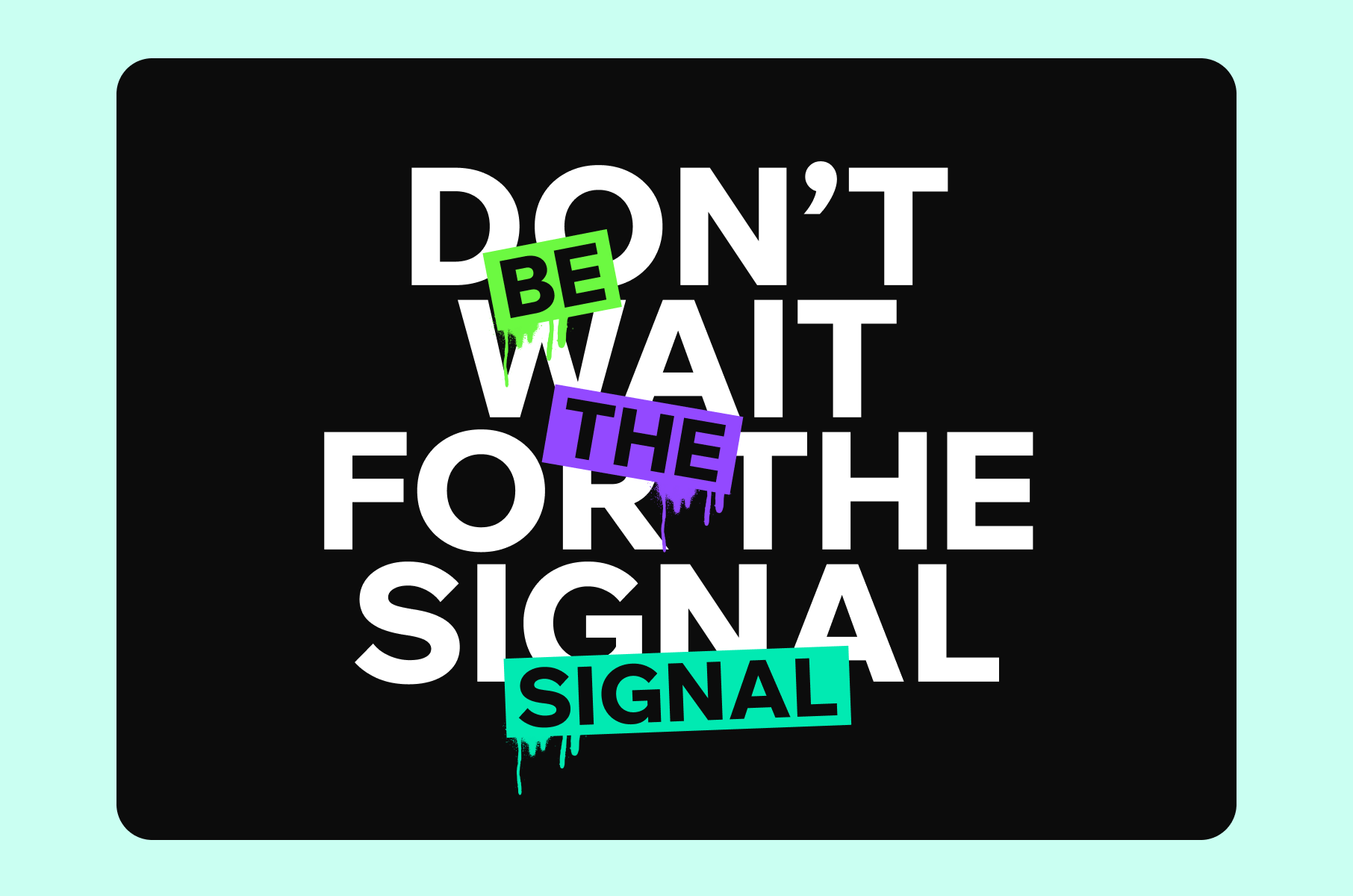
Versus Trade, a CFD broker for Gen Z traders in Asia, needed to feel bold on social media and trustworthy on the trading screen. We built an interchangeable system: neon gradients for campaigns, calm greys for the dashboard. Early data showed the calm mode correlated with longer sessions and lower churn. Each audience got the right brand register at the right moment.
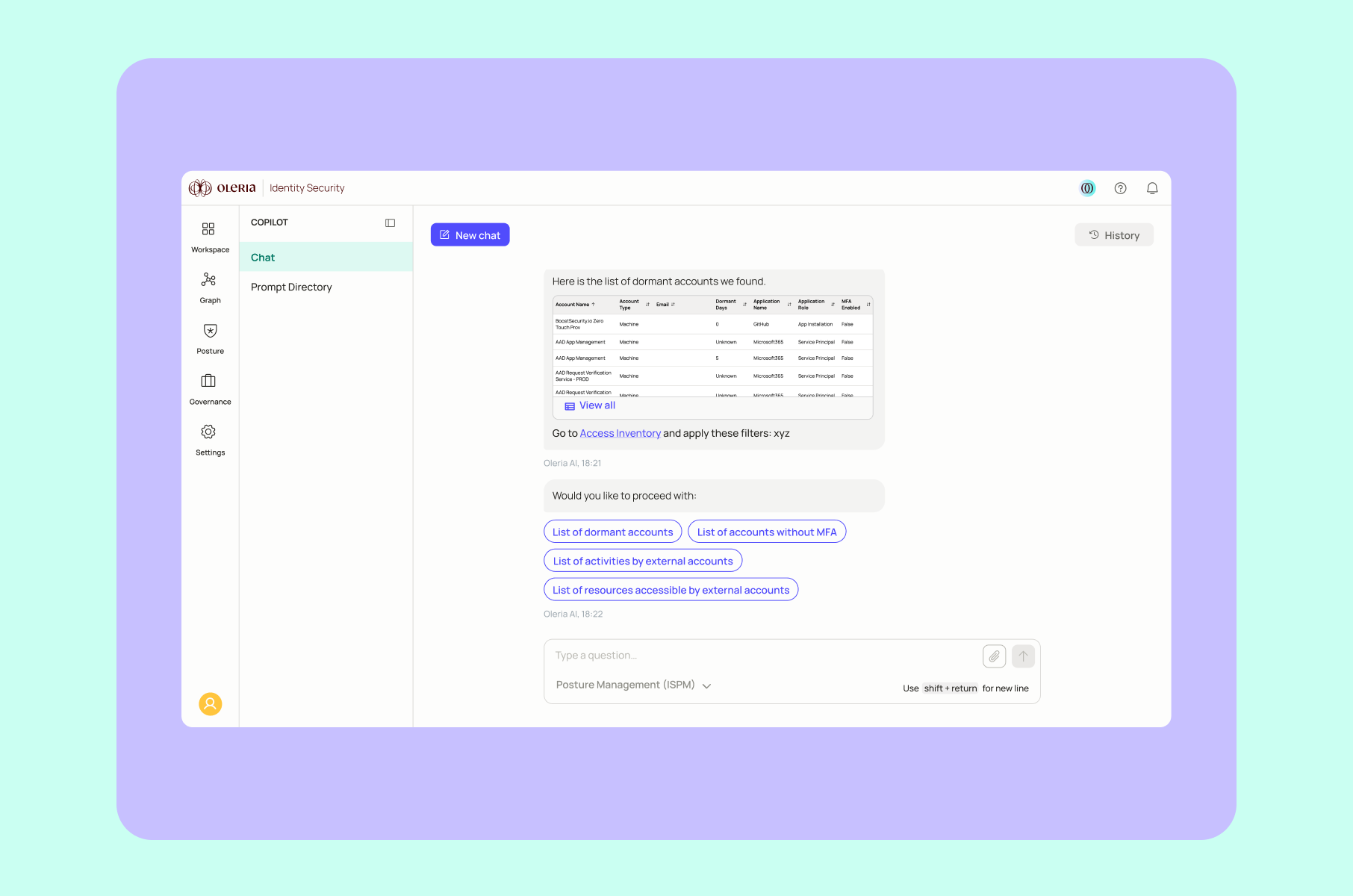
Oleria Copilot needed its own identity within an existing security platform without appearing to be a different company. We developed a new color, custom gradient, and animated logo that took 40 hours to refine. Internal perception tests during design caught a gradient that read "too playful for security" before it shipped. Measuring brand fit during the design phase costs less than fixing it after launch.
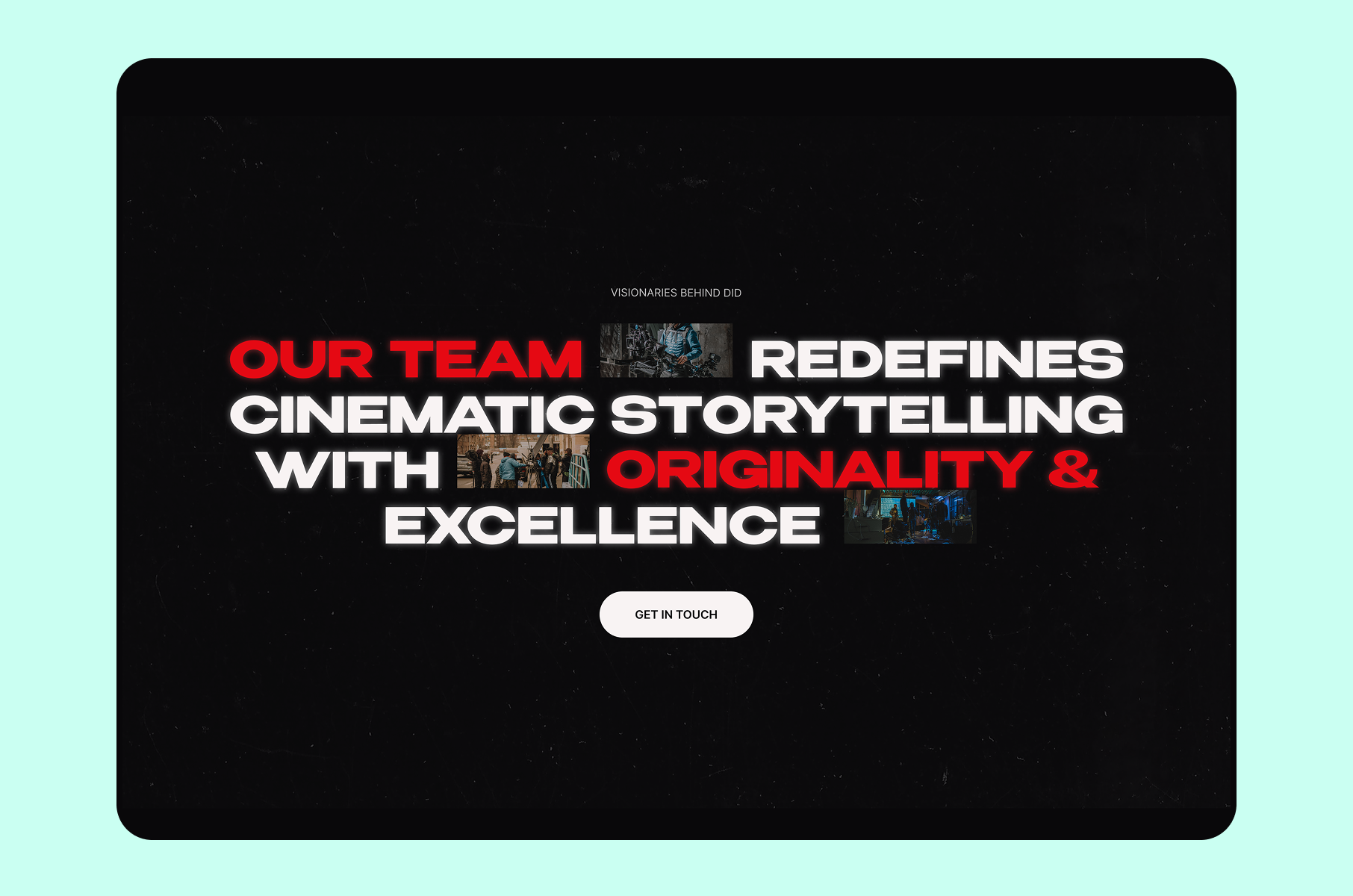
For DGC Production, a film studio that, it turned out, communicated in emotions rather than specs, we replaced standard questionnaires with associative moodboards built from abstract imagery. The resulting brand system cut the studio's time-to-publish new visual assets from weeks to days. For creative companies, that operational speed is the clearest sign that the branding works.
If you are asking, "How can I brand my product in a way that actually drives growth?", start by deciding what you will measure. The brands that win are not the ones with the best logos. They are the ones who know which signals to watch and act on what the data tells them.
For teams ready to invest in branding products and services with measurement built into the process from day one, our branding design service includes the strategic foundation that makes ongoing measurement possible - from product UX discovery through visual identity and brand documentation.
Merge brand story
How Merge Built Its Own Brand From Zero to 100+ Clients

We write about product branding measurement because we have lived the same process ourselves. Merge started in 2018 as a small remote design team. By 2021, we had scaled from 8 to 30+ people and grown monthly revenue from $40K to nearly $1M. It wasn’t through paid advertising, but through the brand signals we are describing in this article.
Our founder, Pavel Tseluyko, made two branding decisions early that shaped everything that followed. First, we specialized. Rather than offering "design for everyone," we positioned Merge as a UX design agency for SaaS startups and fintechs.
Second, we treated internal culture as a branding asset. Our design principles are, at the same time, values about how we work:
- "Think beyond pixels" means every design decision connects to a business outcome.
- "Stronger together" means we hire for collaborative instinct, not just portfolio polish.
These values appear in client interactions, which means they shape the brand experience.
Today, Merge has worked with 100+ clients - from early-stage startups to companies that have raised over $100M, including Mural, Owkin, and Restream.
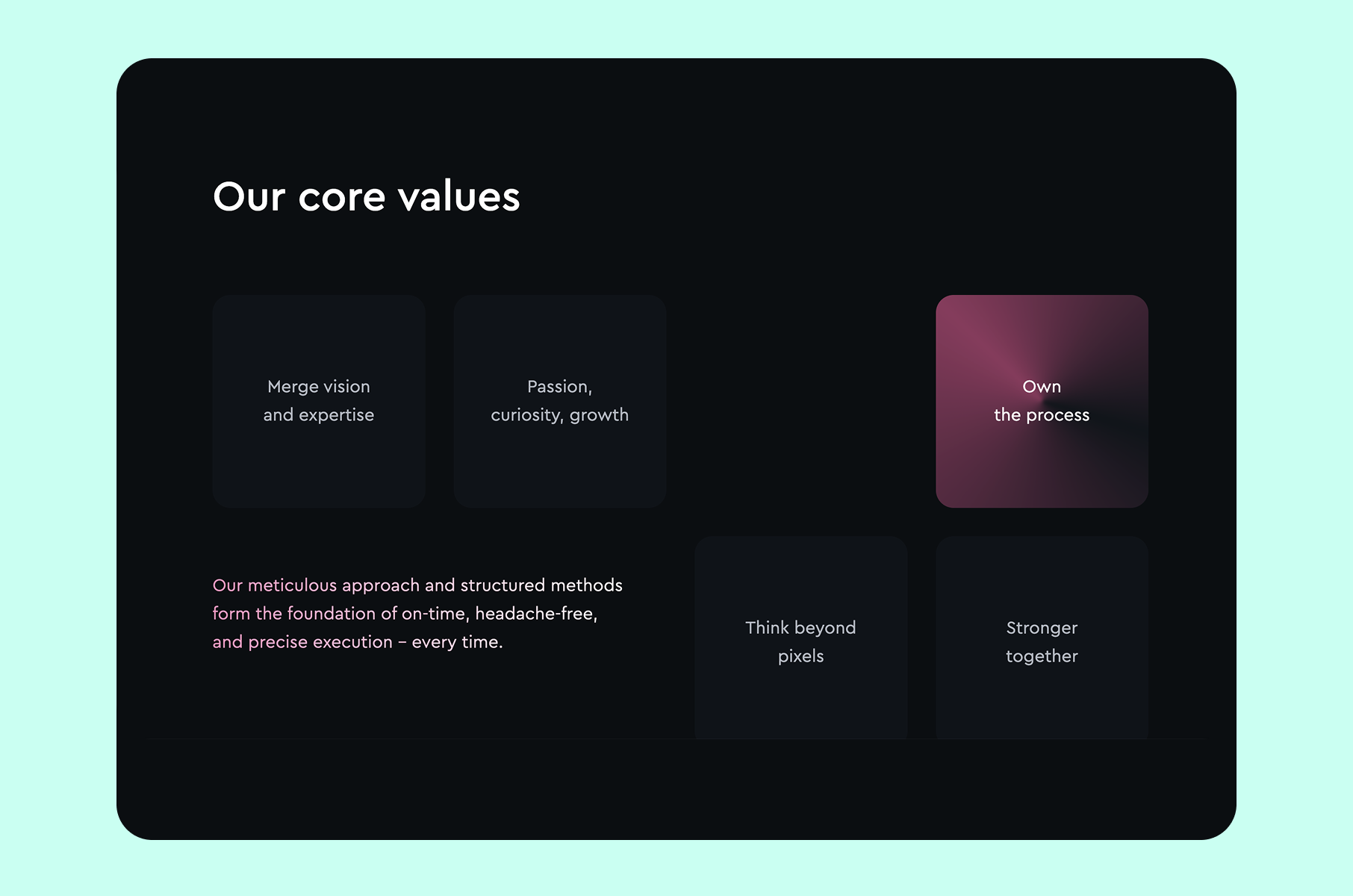
Our five core values ("Merge vision and expertise," "Passion, curiosity, growth," "Own the process," "Think beyond pixels," "Stronger together") have remained stable since the early days, even as the team has grown. That consistency is exactly what the metrics in this article are designed to detect.
FAQ
How long does it take for product branding to show measurable results?
Effective product branding takes 3-6 months to show movement in awareness metrics and 6-12 months to affect revenue and loyalty indicators. Branded search volume often responds first. NPS and retention take longer because they depend on accumulated customer experience.
What is the most important metric for measuring product branding?
No single metric captures everything. Branded search volume is the most accessible starting point. NPS is the strongest predictor of long-term loyalty. For revenue impact, track the conversion rate gap between branded and non-branded traffic. Start with one from each category (recognition, revenue, loyalty) and expand from there.
Can small startups measure product branding effectively?
Yes. Product branding measurement does not require enterprise budgets. Google Search Console (free), simple NPS surveys (free or low-cost through Typeform), and referral tracking in your CRM cover the essentials. You do not need enterprise tools. You need consistency - measuring the same things at the same intervals.
How is product branding different from corporate branding?
Corporate branding covers the parent company. Product branding covers a specific product within that company. When you are branding a product, you focus on the identity of that single offering. Google is a corporate brand. Gmail is a product brand. The distinction matters for measurement because product-level branding can be tracked through product-specific metrics like feature adoption, product NPS, and category-specific search volume.
Product branding vs. corporate branding - measurement differences
Dimension | Product branding | Corporate branding |
What it covers | A single product or product line (e.g., Gmail, iPhone, Slack) | The parent company as a whole (e.g., Google, Apple, Salesforce) |
Primary audience | End users and direct buyers of the specific product | Investors, partners, employees, media, and the broader market |
Key recognition metric | Category-specific unaided recall ("Name a messaging tool") | Company-level brand awareness and reputation scores |
Key revenue metric | Product-level conversion rate, premium pricing in the product category | Overall company revenue growth, stock price, investor confidence |
Key loyalty metric | Product NPS, product retention/churn rate | Employee NPS (eNPS), corporate reputation index |
Measurement frequency | Monthly to quarterly - product metrics move faster | Quarterly to annually - corporate brand shifts slowly |
Typical owner | Product marketing manager or product lead | CMO or brand director at the company level |
What should I do if my product branding metrics are flat or declining?
Flat metrics after 6+ months suggest a positioning issue, a consistency issue, or an audience mismatch. Run a competitive analysis to check positioning. Audit your brand for consistency - your brand-aligned website copy, product interface, emails, and social channels should feel like the same brand. Survey your target audience to check whether your messaging resonates with the people you are trying to reach.