0
Table of Contents
How to hire a startup UI UX design agency. The 2026 buyer's guide
How to evaluate UX design agencies and pick a partner that fits.
Most founders should hire an agency for one of three reasons:
- You need to validate something fast.
- You need an ongoing design partner because product work keeps moving every week.
- You need a higher-stakes partner who can handle brand, product, systems, and coordination without you babysitting everything.
A good startup UI UX design agency will help with all that. It combines UX research, interface design, and product thinking under one roof, with processes built specifically for startup speed and budgets.
"Good" also varies depending on your stage, your product complexity, and what you need designed. This guide is meant to help founders and product leaders evaluate UX design agencies, compare engagement models, understand UI UX design costs, and pick a partner that fits.
We run Merge, a UX/UI design agency for startups. Parts of this article draw on our pricing, process, and experience. The evaluation advice applies regardless of which agency you choose.
What UI/UX design services cover and why startups need specialized ones
UI/UX design services include two overlapping disciplines.
UX (user experience) design determines whether your product actually works for people - can they sign up without getting stuck, find what they need, and complete the action you want them to take?
UI (user interface) design determines whether it looks like a real company built it - consistent visuals, readable type, a layout that feels intentional rather than thrown together.
Most founders searching for a user experience design agency need both. But why?
Well, a product with good UX logic but rough visual execution feels more like a prototype than a real product. On the other hand, a product with refined UI but broken flows is super frustrating for users.
The value of hiring a UX design agency is getting both the design and the functionality in one service.
For example, you might’ve noticed that the term "research-driven UX" gets thrown around. Here is what it should mean in practice. A research-driven user experience agency starts every engagement by understanding your users, your market, and your business goals before opening a design tool. They figure out where people get confused in products like yours, what your competitors do well (and badly), and what your specific users expect. The research phase typically accounts for 20-25% of a project's total effort, and it determines whether the remaining 75-80% produces something users actually want.
Our own time-tested approach follows four stages:
- Discovery (understanding your business, users, and existing product),
- Concept (exploring design directions),
- Design (building the actual interfaces),
- Validation (testing against business and user needs).
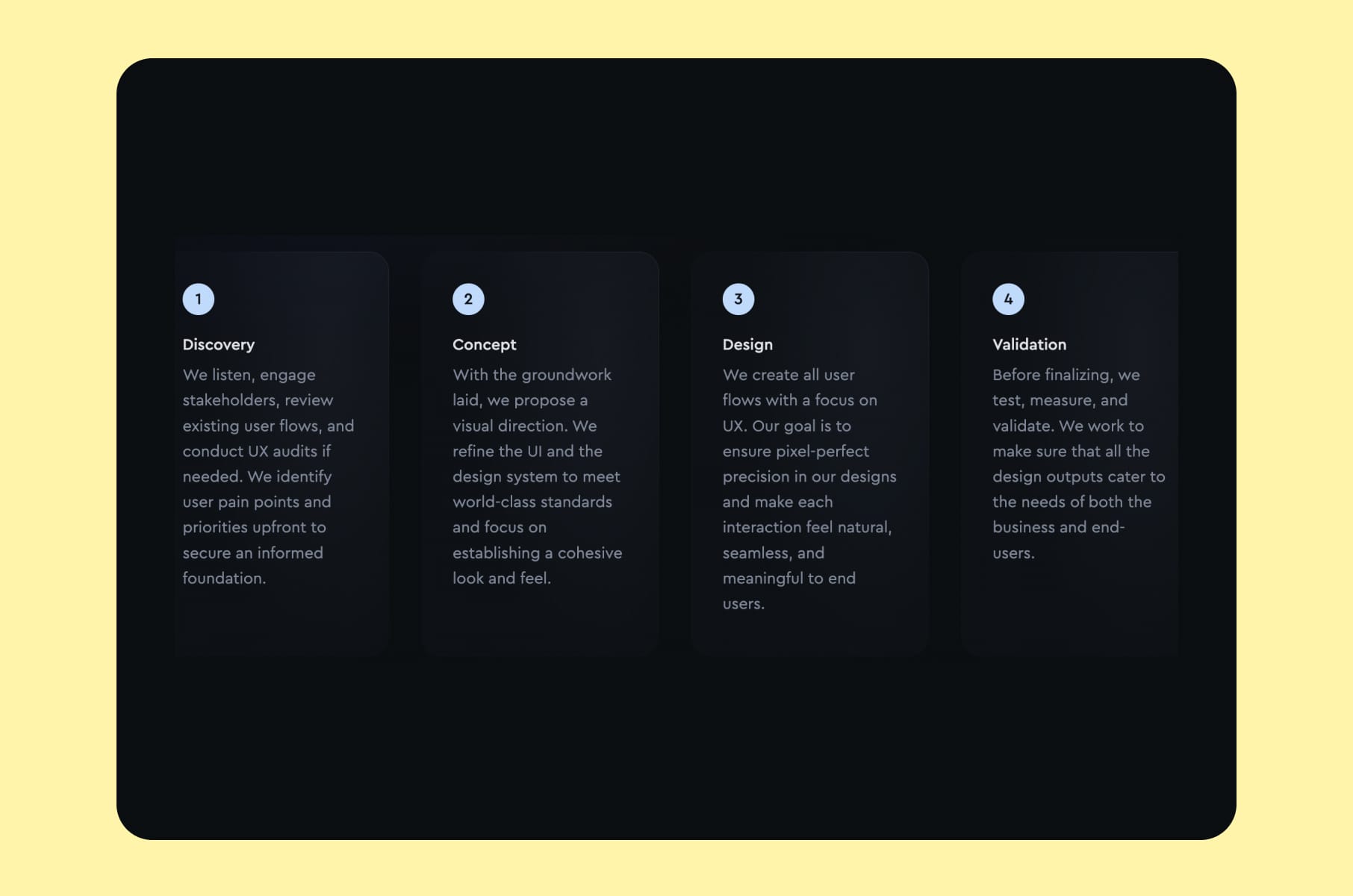
That structure isn't unique to our Merge team by any means, yet we chose it and perfected it for a reason, and, in our opinion, what matters is that any UX agency you evaluate has a defined research phase rather than jumping straight into visual design.
Who gets the clearest ROI from agency design?
Design quality directly affects whether users stay and pay. Three types of organizations see the most measurable return from working with a UX/UI design agency.
Early-stage startups building their first product
You have a limited runway and one shot to make a first impression on investors and early users.
At this stage, UI/UX design services help you figure out whether your product idea actually works before you spend six months building the wrong thing. The alternative is building on assumptions without user research or prototyping, and that leads to expensive rebuilds once real users arrive.
If every $1 invested in UX returns an average of $100, that kind of ratio matters for a pre-seed startup spending $10,000-$30,000 on an MVP's design. This investment determines whether your first users complete onboarding or whether investors see a product that looks professional. It also helps your developers build the right product the first time instead of rebuilding it three months later.
Midsize companies in growth mode
You've got product-market fit, revenue is growing, but something is off:
- Conversion rates stay the same or even lower?
- Churn stays stubbornly high?
- New features ship, but adoption is bad?
These are actually UX problems disguised as growth problems.
A user experience design agency helps midsize companies find friction points, redesign core flows for retention and conversion, and build design systems that keep the product consistent as the team grows. A well-executed UX improvement can raise conversion rates by up to 400%. Even modest improvements - fixing a checkout flow, simplifying a dashboard - compound across thousands of daily sessions.
Enterprises with complex platforms
Your internal tools look like they were built in 2009?
Large organizations manage systems with multiple stakeholder groups and legacy interfaces/workflows that evolved over the years without design oversight.
Top UX design companies help enterprises simplify internal workflows and reduce customer friction. The complexity of these tasks requires a team, not a single designer, which makes an agency a more natural fit.
What You Actually Need at Each Startup Stage
Stage | What you likely need designed | Typical budget | Engagement model that fits | What good design gets you at this stage |
Pre-seed / Idea stage | Prototype or proof-of-concept to test with users and show investors | $2,100-$6,300 | Design Sprint (2-4 weeks) | A testable prototype instead of a slide deck. Investor conversations backed by something real. |
Seed / Building MVP | Full MVP interface, user flows, onboarding, core features | $6,000-$25,000 or $1,600-$4,800/month | On-Demand Team (40-120 hrs/month) | A product that early users can actually use. Lower churn from day one. Less dev rework. |
Post-seed / Growth mode | Product redesign, conversion optimization, design system, marketing site | $10,000-$50,000 or $4,800-$12,400/month | On-Demand Team or Exclusive | Higher conversion rates. Consistent product experience as your team scales. Shorter dev cycles. |
Series A+ / Scaling | Design system, multiple product lines, enterprise features, complex flows | $12,400+/month or custom Exclusive | Exclusive | Design quality that matches your product maturity. Faster feature shipping with a design system. |
How to evaluate UX agencies
Every agency has a well-designed portfolio. These six criteria help you evaluate what's behind it.
UX research depth
The difference between top UX design agencies and mediocre ones shows up in their research process.
- Ask how they conduct user research.
- Ask what artifacts they produce before any visual design begins.
A strong UX design agency will describe specific methods they use, such as:
- stakeholder interviews,
- competitive audits,
- user journey mapping,
- card sorting,
- usability testing.
An agency that skips research and moves straight to mockups is only selling a decoration.
Look at case studies. Do they show before-and-after metrics? Do they explain the research that informed design decisions? The best UI UX design agency candidates publish case studies that connect research findings to design choices to measurable outcomes.
Prototyping and validation
Prototyping is where you save real money. A clickable prototype costs a few thousand dollars and a couple of weeks. Rebuilding a feature your devs already coded because users can't figure it out costs tens of thousands and months of lost momentum.
Ask whether the agency creates interactive prototypes and tests them with real users before handing designs to developers. Agencies that validate designs through prototyping reduce rework by catching usability issues as early as possible.
Developer handoff quality
Design that developers cannot implement accurately wastes everyone's time. Top UX design companies deliver organized Figma files with design tokens, component libraries, responsive specifications, and clear interaction annotations.
Request a sample handoff document. If the agency treats handoff as an afterthought, your development team will spend weeks guessing at details the design team should have specified.
Scalable engagement models
Your roadmap will change. It always does. Maybe you close a big customer and suddenly need to redesign the onboarding flow in three weeks. Maybe you pivot, and half the planned features are irrelevant now.
Some months demand 160 hours of intensive product design. Other months need 40 hours of maintenance and iteration.
Top UX agencies offer flexible engagement models rather than locking you into a rigid scope. Ask whether you can scale hours up and down. Ask how quickly you can adjust team composition. Rigid contracts designed for enterprise clients break down in startup environments where priorities shift weekly.
Industry relevance
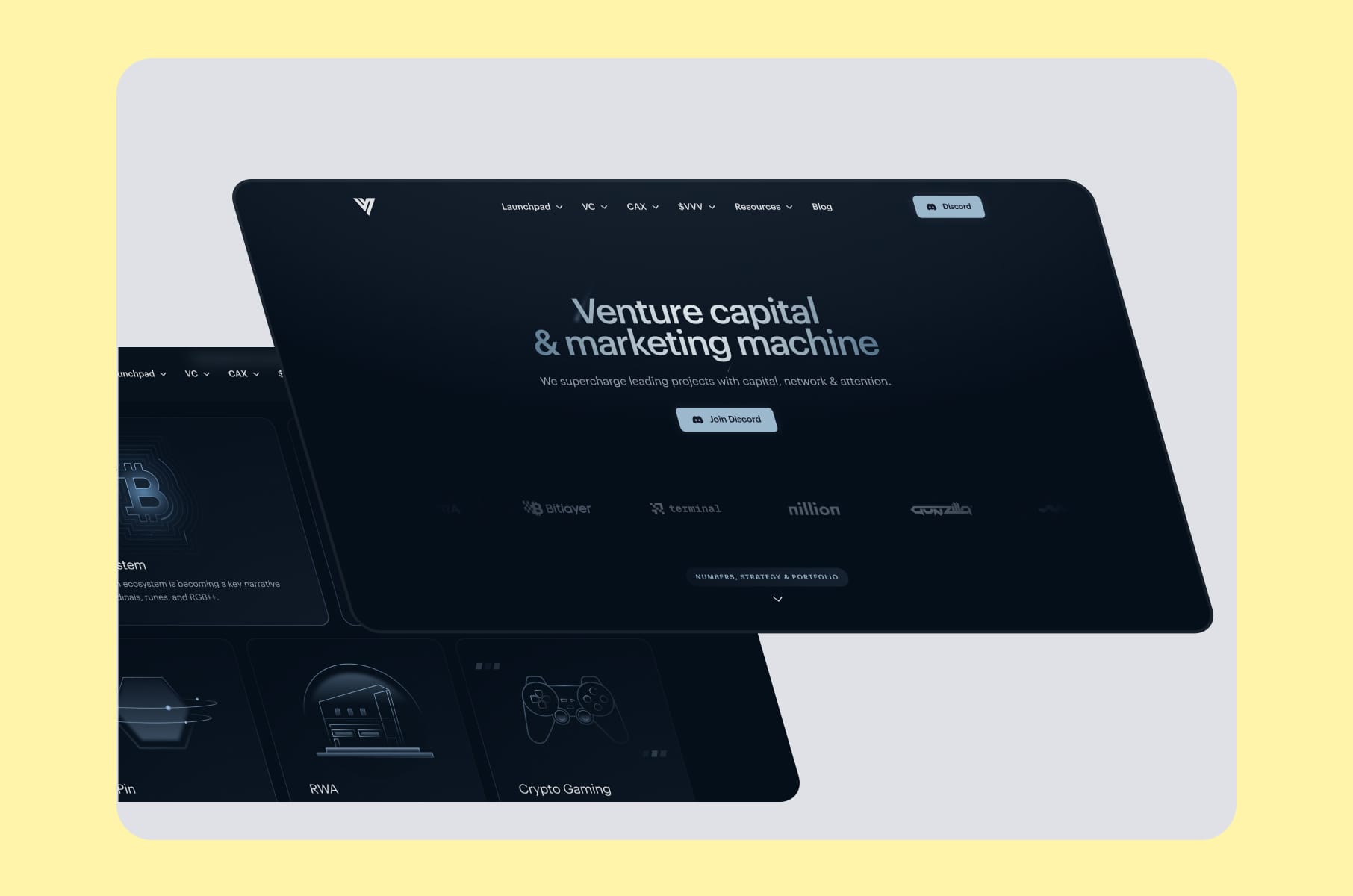
A UX UI design firm with SaaS experience understands dashboard conventions and onboarding flows. One with fintech experience understands trust signals and transaction flow design. Industry relevance doesn't mean the agency must have designed your exact product, but it’s good if they solved similar problems for similar users and won't spend time and money learning your domain from scratch.
Communication and transparency
You're going to be busy running your company. You don't have time to chase an agency for status updates or wonder what they've been doing for the past two weeks.
Ask how the agency reports progress. Daily updates? Weekly reports? What project management tools do they use? Transparent time tracking? Design work has enough inherent ambiguity. The operational side should be clear. Look for agencies that set milestones and track their time honestly.
What startup UI/UX design costs in 2026
Market-wide averages are noisy: Clutch’s reviewed UX projects average about $84,973 total and about $8,895 per month, while broader 2026 agency guides put UI/UX engagements anywhere from roughly $10,000 for a small MVP to $300,000+ or even $500,000+ for complex enterprise work. No wonder you get confused.
The first thing you need to account for is that UI UX design cost varies widely depending on scope, engagement model, and the agency's location and seniority. Here is the current market range, followed by a detailed look at how one agency structures its pricing.
Market-wide pricing context
Industry data from 2025-2026 shows these ranges for agency-level work:
- Simple website (5-8 pages): $2,500-$8,000
- Medium website (10-20 pages): $8,000-$25,000
- MVP app (10-20 screens): $6,000-$25,000
- Full product design (40-100 screens): $25,000-$150,000+
- SaaS platform: $12,000-$200,000+
Hourly rates for UX design agencies range from $25-$75/hour in Eastern Europe to $100-$250/hour in the US. Subscription and retainer models from top UX agencies typically run $1,600-$10,000+/month depending on hours and seniority.
These numbers should give you a baseline; however, the real question isn't "how much does UI/UX design cost?" but "what engagement model fits my stage and needs?"
Merge's pricing structure: three models for different stages
Merge's UI UX design cost structure offers three distinct engagement models. Each targets a different startup situation.
1. Design sprint
Best for urgent design challenges
- 2-week sprint: $2,100
- 4-week sprint: $4,200
- 6-week sprint: $6,300
Design sprints work when the problem is narrow and urgent - for example, you need a landing page or a fast branding. You get daily updates and two-week validation.
This model is the right buy when you have one sharp question, i.e:
- “Can we validate the landing page?”
- “Can we tighten this onboarding?”
- “Can we make this idea clickable for investors or pilot customers?”
If you use a sprint for a broad “design our whole product” ask, you will either get shallow output or an upsell.
2. On-demand team
Continuous design support for early-stage startups
- Starting at $1,600/month for 40 hours of a designer
- Up to $12,400/month for 160 hours of a designer, plus 120 hours of a lead designer
The on-demand model lets you customize hours between a designer and a lead designer based on your current needs. You can interview designers before they join, adjust the team composition month-to-month, and use hours however you need.
Benefits include:
- a dedicated customer manager,
- weekly hours reports,
- flexibility to scale up or down without renegotiating contracts.
The on-demand team is right when you already have momentum and a backlog: new flows, feature refinements, usability issues, investor demos, small experiments, dev handoff, and recurring design debt.
This model fits Angel-to-Seed startups that need consistent design capacity but can't justify a full-time hire. At $1,600/month for 40 hours, it costs roughly one-fifth of what a junior in-house designer costs when you factor in salary, benefits, tools, and overhead.
3. Exclusive
Tailored for complex or larger engagements, with custom pricing, built around your specific requirements.
Exclusive is the right buy when design is business-critical and cross-functional: product redesign, category positioning, major launch, regulated vertical, or a situation where design, motion, messaging, and delivery coordination all need to line up.
You get domain-specific professionals, a dedicated project manager, fixed-price project options, a growth-focused design strategy, and extended capabilities such as motion design and illustration. Onboarding happens within one week.
How the cost breaks down against alternatives
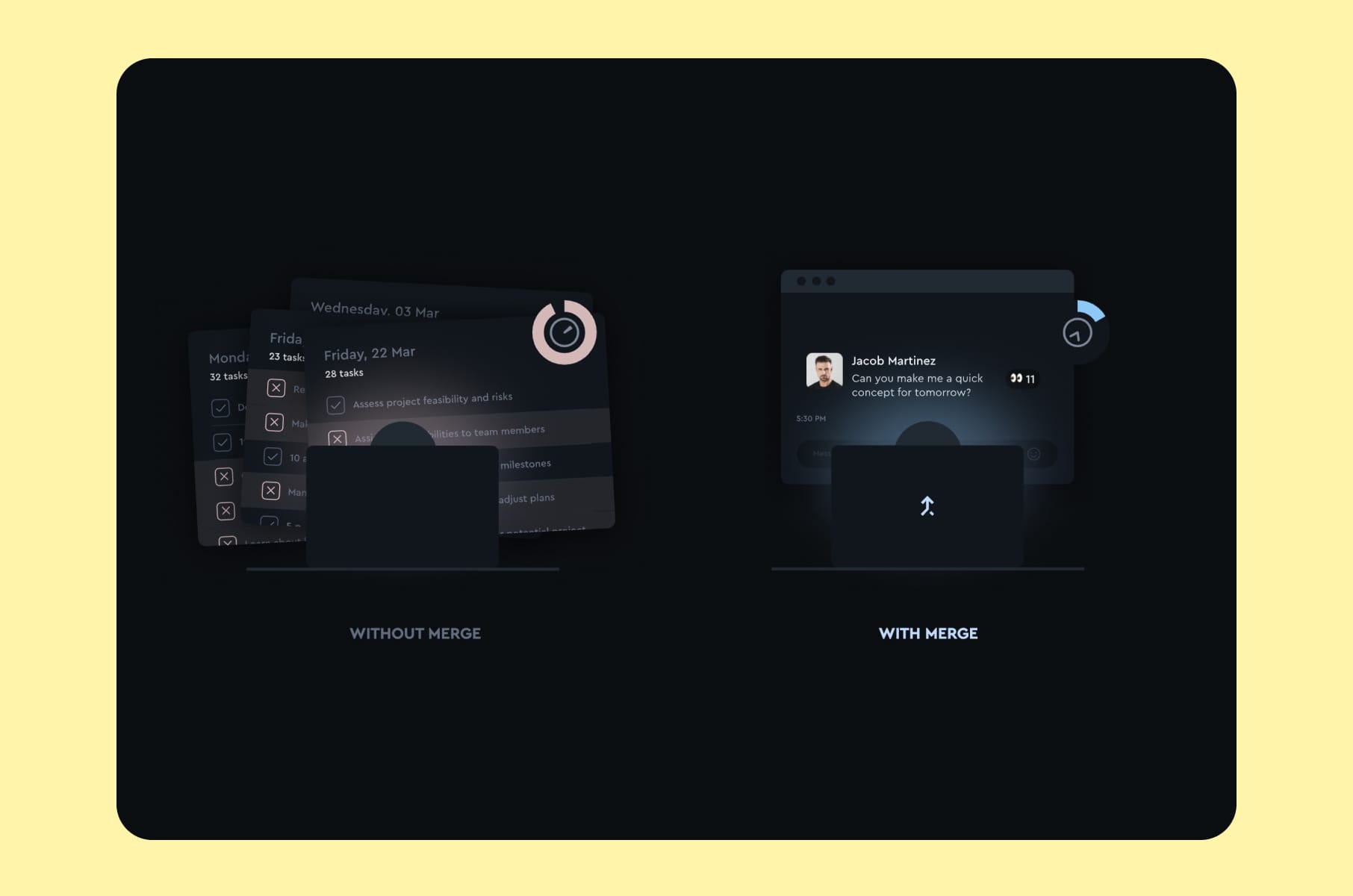
The comparison with in-house hiring clarifies why the agency model works for most startups:
Traditional in-house hiring:
- 45-60 days average to hire a designer
- 1-2 months for onboarding to full performance
- Requires in-house design expertise to manage the hire
- Significant overhead costs (salary, benefits, tools, office)
- Legal expenses up to $3,000 for employment matters
Working with an agency like Merge:
- Kick-off within one week (pick designer, sign docs, start)
- Discovery and onboarding in 2-4 weeks using agency frameworks
- Self-managed team - the agency handles management
- Up to 30% savings on overhead compared to a full-time employee
- Streamlined payments with documentation already prepared
The speed difference alone justifies the model for startups operating on tight timelines. A 45-60 day hiring process means missing a launch window or a fundraising deadline. A one-week agency kickoff means design work starts while your competitors are still writing job descriptions.
Benefits: what an agency engagement includes
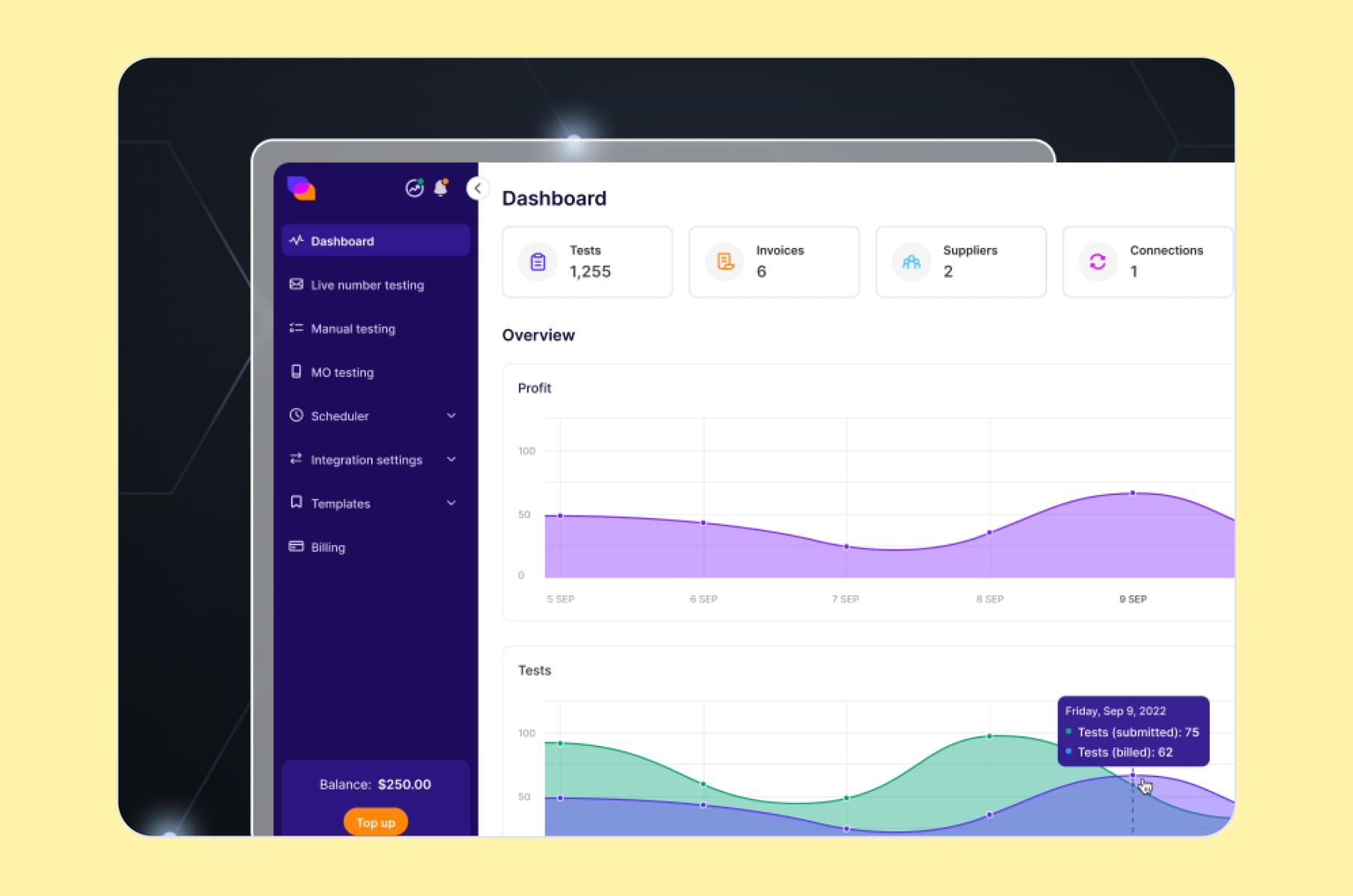
Agencies list dozens of benefits. Most founders care about five things: cost, quality, speed, flexibility, and security. Here is what each benefit category means in practice, using Merge's UX design agency pricing and benefits as a reference.
Cost and operational benefits:
- Saved resources
Agency pricing eliminates the overhead of full-time employment: no benefits packages, no tool subscriptions, no office space. You pay for design hours, not the number of people working.
- Flexible usage of designers
You get billed only for time worked, with prior estimation. No paying for idle hours between projects.
- Short-term engagement
You can engage for a single sprint or a single task. No minimum commitment that forces you to find work for a designer you've already paid for.
- Adjust the team on the fly
Cancel, downgrade, or add team members at any time. Your design capacity matches your actual needs rather than a headcount decision made six months ago.
- Post payment by hours
Time-and-material contracts mean you pay for actual work delivered, not estimates that pad the real effort.
Quality and process benefits:
- Design supervision
A lead designer oversees every stage. You don't have to be a design expert to get expert-level output.
- Delivery with precision
Defined milestones and timelines. Projects arrive when promised, not "when it's ready."
- Unlimited revisions
Designs get refined until they meet your standards.
- Direct communication with designers
You talk to the people doing the work, not a project manager relaying messages.
- Close collaboration with developers
Designers who understand development constraints create work that ships cleanly. Design-to-development handoff is built into the process.
Team flexibility:
- Choose your designer
You interview and select the designer assigned to your project because the fit matters.
- Dedicated Design Lead
A lead designer sets the vision, maintains quality standards, and supervises execution.
- Industry-focused designers
Designers with experience in your specific vertical (SaaS, fintech, healthtech) bring relevant pattern knowledge.
- Replace the designer
If the fit isn't working, switch designers without derailing the project.
Design approach:
- Business goals-driven UI
Interface decisions tie back to your conversion metrics, retention goals, and growth targets. Design serves the business, not the other way around.
- Conversion optimization
Designs are built to convert. Every flow, layout, and interaction pattern considers what moves users toward your key metrics.
- UX-centric approach
User research and testing inform design decisions. Assumptions get validated before they become pixels.
- Interactive prototypes
Clickable prototypes let you test ideas with real users before committing development time. Fast iteration, real feedback.
Full scope of deliverables from a UX/UI design agency
The range of deliverables from a capable UX/UI design agency extends well beyond "mockups in Figma." Here is the full scope of what UI/UX design services can cover:
- Research and strategy: product UX discovery, proof-of-concept design, UX audits, UX research, and metrics improvement programs.
- Brand and marketing: fast branding, marketing collaterals, pitch deck design, landing pages, and SEO-optimized websites.
- Product design: ground-up product UI design, mobile design, design systems, product redesign, and business websites.
- Development support: Webflow implementation, no-code development, design support, illustrations, and microinteractions.
Just as we have established earlier, the needs of a startup change rather fast. The UX design agency building your MVP today might create your design system next quarter and redesign your marketing site the quarter after. Working with a user experience design agency that covers this range means you don't restart the relationship every time your needs shift.
Our recommendations
Pre-seed / very early seed: get the Design Sprint only if the question is narrow and urgent.
Seed startup with active backlog: get On-demand Team if product work is ongoing and you want flexibility without full-time headcount.
Bigger redesign / launch / regulated domain / multi-surface design need: get Exclusive because coordination matters as much as craft.
The right startup agency will help you decide what not to design yet, reduce product risk before development, and fit the commercial model to your stage instead of forcing you into a bigger engagement than you need.
FAQ
What does a startup UI UX design agency do?
A startup UI UX design agency provides UX research, UI design, prototyping, and design systems tailored to startup constraints. This includes user research, competitor analysis, wireframing, visual design, interactive prototyping, usability testing, and developer handoff. The startup specialization means faster timelines, flexible engagement models, and experience with the specific challenges early-stage and growth-stage companies face.
How much do UI/UX design services cost for startups?
UI UX design cost ranges from $2,100 for a focused two-week design sprint to $12,400+/month for a full on-demand design team. Market-wide, MVP design projects run $6,000-$25,000, and full product design ranges from $25,000 to $150,000+. Subscription models starting at $1,600/month offer startups a cost-effective alternative to project-based pricing. Merge's UX/UI design agency pricing breaks down three engagement models with transparent costs.
What's the difference between a UX agency and a freelance UX designer?
A UX agency provides a coordinated team - typically a UX researcher, a UI designer, and a design lead - working under a shared strategy. A freelancer provides individual expertise in one discipline. Agencies charge $100-$250/hour in the US, while freelancers range from $25-$150/hour. The agency model is worth the premium when you need strategy, research, and design executed together. A freelancer works well when you have clear requirements and need execution in a single discipline.
How long does it take to start working with a UX design agency?
Most UX design agencies require 1-4 weeks from first contact to active project work. Merge offers kickoff within one week: you select a designer, sign the documentation, and begin the discovery phase. The discovery phase itself runs 2-4 weeks, after which active design work begins. Total time from first contact to first design deliverables typically ranges from 3-6 weeks.
How do I know if I need a UX agency or just a UI designer?
If you know exactly what to build and need someone to make it look polished, a UI designer may be enough. If you are unsure whether your product's flows, information architecture, or user experience are right - or if you're seeing high churn, low conversion, or poor user engagement - you likely need a user experience agency that combines research and design. The research component is what separates a visual refresh from a solution that actually changes user behavior.
What should I look for in a top UX design agency's portfolio?
Look for case studies that show process, not just finished screens. The top UX design agencies publish work that explains the research conducted, the problems identified, the design decisions made, and the business results achieved. Ask whether they have experience with companies at your stage and in your industry. A portfolio of enterprise redesigns tells you little about how the agency handles an early-stage startup with a four-week timeline and a $10,000 budget.
Can I scale my engagement up or down with a UX/UI design agency?
The best UX design agencies offer flexible engagement models. At Merge, you can adjust designer hours monthly, add or remove a lead designer, and switch designers if the fit isn't right. This flexibility matters for startups because design needs are rarely constant. You might need 160 hours during a product launch and 40 hours during a maintenance phase. An agency with a scalable model adapts to your rhythm rather than billing you for capacity you don't use.