0
Table of Contents
Website design and development: why split teams slow startups down
Your website is one product, and splitting one product between two owners means nobody owns it.
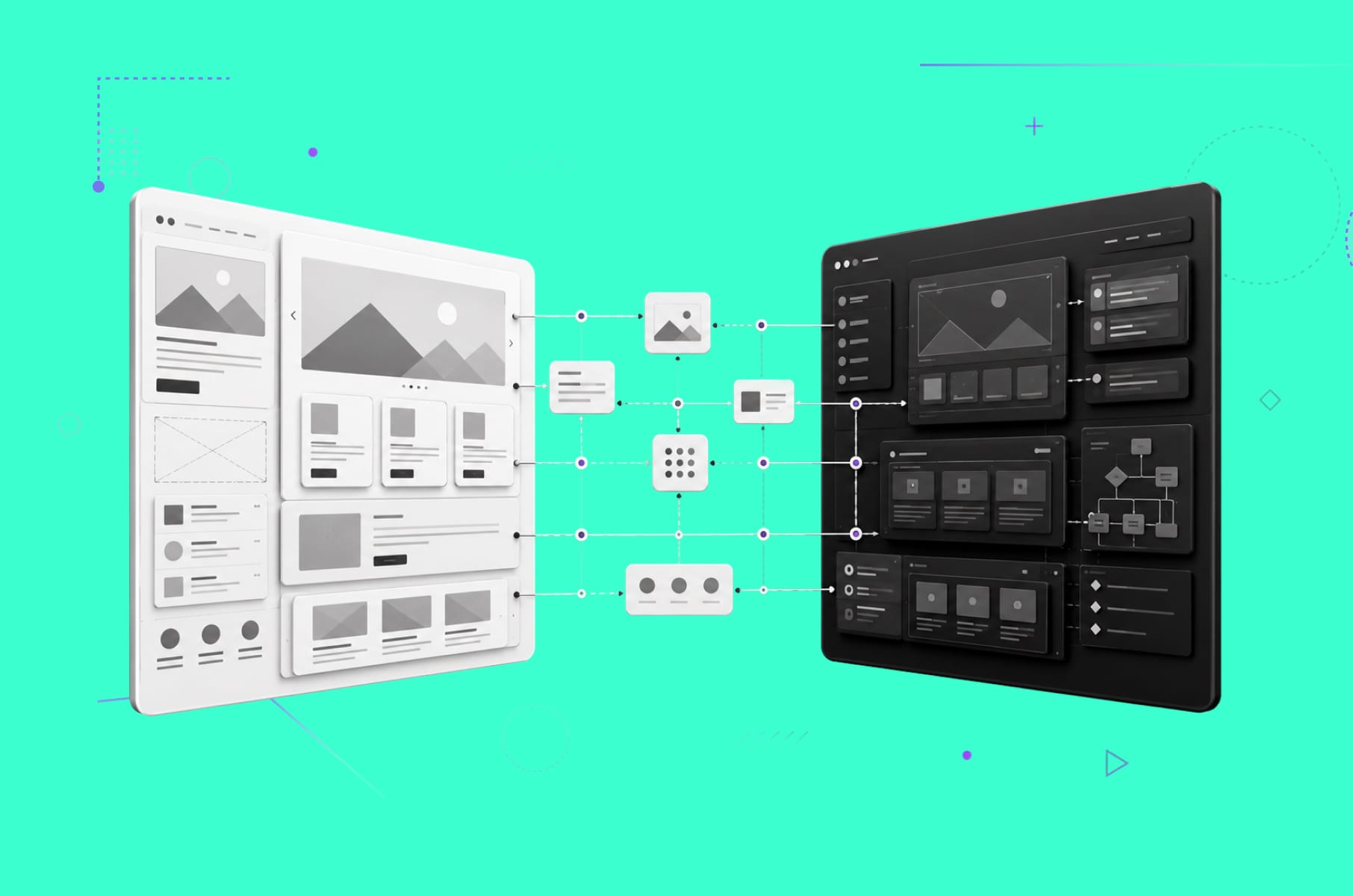
There are basically two ways startups handle website design and development: hire a designer and a developer separately (or two different agencies), or bring in one team that owns both. The first option looks cheaper, but in practice, it is where startup websites lose weeks of launch time and much of the founder's patience.
The reason is that a website is one product, and splitting one product between two owners means nobody owns it. Your designer owns a Figma file, your developer owns a repository, and the live site your visitors actually land on is in the gap between the two.
We at Merge UX agency have been designing and building websites for B2B, SaaS, and Fintech startups for over eight years.
We've already written about how to choose a B2B web design agency and what the best web design companies look like in 2026.
Today, we'll cover what gets lost between design and development, why the usual explanation is wrong, and how to run the whole thing so your site ships on time and stays easy to maintain.
What is web design, and where does development start?
The definitions matter here, because the confusion between the two jobs is exactly where the trouble begins. The starting question is simple: what is web design?
The simplest web design definition: it's deciding how a website looks, feels, and guides a visitor. That covers layout, typography, color, imagery, the order of the copy, and the flow from "landed on the page" to "clicked the button."
Web development turns that decision into working code: markup, styling, animations, CMS setup, forms, integrations, and performance work.
The line between them has little to do with tools, though.
Design decides what should exist. Development decides what actually exists. Those two are never quite the same on any project with any team, because a layout that looks clean in Figma can still load slowly or lose its motion entirely once built.
So the real staffing question isn't who does which half. It's who owns the gap between them.
Why startups split design and development in the first place
The split usually happens for understandable reasons. A founder hires a freelance designer they love, then goes looking for the cheapest developer who can "just build this." Or the brand agency doesn't do code, so a dev shop gets bolted on afterward. Sometimes it's an in-house marketer owning design while an offshore contractor owns the build.
On a spreadsheet, splitting website design and development looks efficient. You pick the best (or cheapest) specialist for each half, and the halves should add up to a whole.
The pros and cons of hiring separately are well documented, and the savings are real enough.
However, you also become the project manager and the translator between two vendors who may never speak directly. Every question a developer would normally ask a designer across the desk now routes through you. Every disagreement about spacing, animation timing, or mobile behavior lands in your inbox.
You didn't hire a website team but two halves of one and volunteered to connect them yourself.
Truth about handoff
Ask why the design-to-development handoff goes wrong, and pretty much everyone gives the same answer: communication. The industry has spent well over a decade trying to fix it with tools like Zeplin, Figma's dev mode, InVision before that, redlines, specs, tokens, etc… Yet the handoff is still broken.
83% of designers report that the shipped product doesn't match the design at least sometimes, and about a quarter say it happens on every project.
So why haven’t all these tools helped? Because the tools move information around, and moving information was never the problem. Two teams can have perfect information and still ship two different websites, for the simple reason that they have two different definitions of "done."
For your designer, done means the design is correct and approved. For your developer, done means the code matches the ticket, and the page works in a browser. Both can be entirely true, and they each delivered exactly what they were paid for. However, the live site is suffering, and we need to fix that.
The problem is in the ownership.
The money follows the same logic. Design-stage errors drive up to 68% of rework costs in product development, because these mistakes are cheap to make and expensive to fix, and the fixing lands on the other team's side from where the mistake was made.
Inside one team, fixing it is fast. Across two vendors, not so much. Some teams now propose a no-handoff methodology where design and development overlap from the start. That, basically, is what an integrated team gives you by default.
Here's what typically gets lost at the handoff point:
What gets lost | Why it happens | What you see |
Hover states and micro-interactions | Not visible in static mockups, skipped under deadline | Buttons that don't react, dead-feeling pages |
Animation timing and easing | Figma prototypes don't export real motion specs | Animations replaced with fades, or cut entirely |
Responsive behavior between breakpoints | Designs cover 2-3 screen sizes, reality has hundreds | Awkward layouts on tablets and small laptops |
Spacing and typography rules | Developer eyeballs values instead of using a system | Inconsistent margins, "almost right" fonts |
Edge cases (long text, empty states, errors) | Nobody designed them, so developers improvise | Broken layouts the first time real content goes in |
Performance budget | Design never discussed image weight or fonts | A polished design that loads slowly and loses visitors |
Not one of those rows is a mix-up or a missing file. Every one is a gap that somebody decided, reasonably, wasn't theirs to fix.
Five ways integrated website design and development pays off
Now for what changes when one team owns the whole job, from wireframe to deployed site.
1. Less gets lost in translation
When designers and developers are on the same team, the handoff stops being a one-way drop-off and becomes a conversation. While developers join design reviews early, designers can also review staging builds and catch differences while they're still cheap to fix.
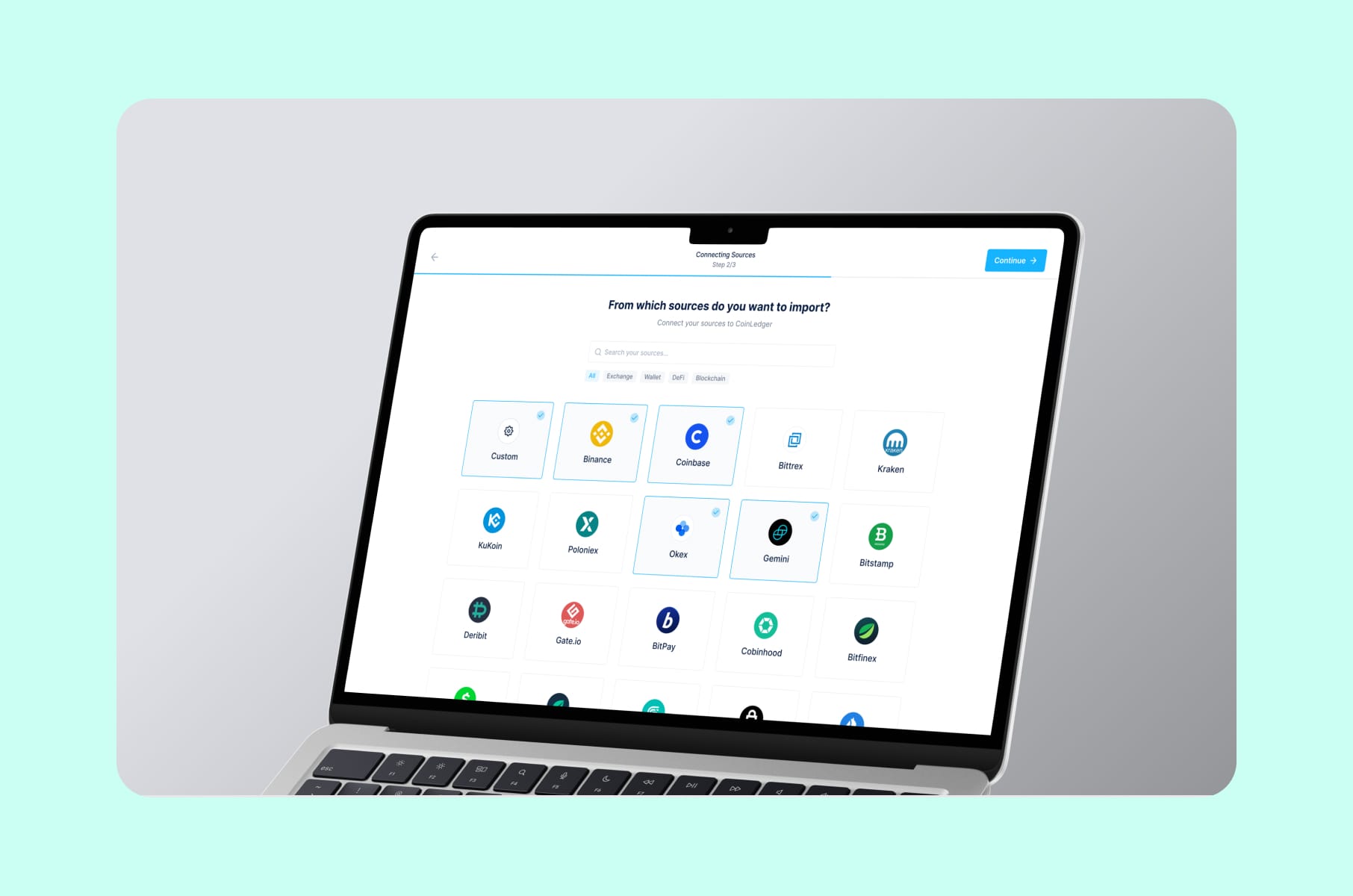
We've built our own website design and development process around this at Merge. Our designers work with development in mind from the start, which is a big reason clients like CoinLedger doubled their conversion rate after we redesigned and rebuilt their site. The version users saw was the version we designed.
2. Interactions survive the build
Animations and micro-interactions are usually the first thing to go on a split team, because a static Figma file can't fully describe the details well enough to make it easy to implement.
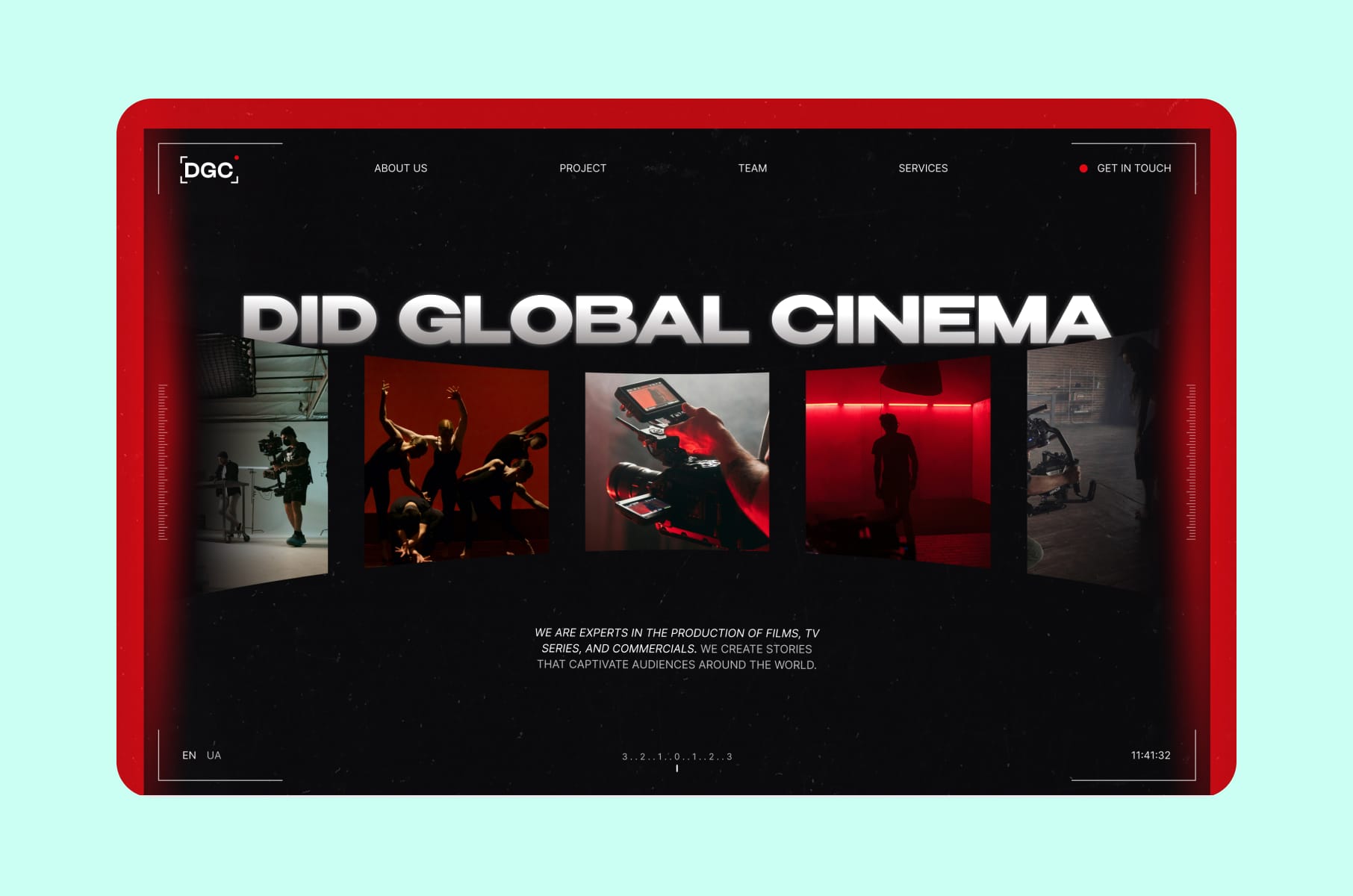
An integrated team keeps the motion because the people who designed it are in the room while it's built, tuning it live on staging. For DGC Production, a film studio, the entire single-scroll site was built around an intro animation - the kind of thing that simply doesn't survive a cold handoff between two vendors.
3. Faster launch
Add up the typical stages of a professional website project (planning, design, development, testing), and you get between 10 and 20 weeks. Split that across two vendors, and you add waiting time on top: developers can't start until designs are "final," and every revision loops through two backlogs. Integrated teams overlap the phases instead, so development starts on approved sections while later pages are still being designed.
The difference shows up in real deadlines. For example, when Everyday Speech needed their redesigned site live before the school year started, design and development ran side by side, and the launch landed on time. For Versus Trade, we shipped two full marketing sites in two months. Neither timeline works if a second vendor is sitting there waiting for "final" files.

4. QA becomes one job
When the live site doesn't match the design, whose bug is it? With split teams, you cannot get the easy answer. The designer says the build is off, the developer says the design was unclear, and you settle it. QA turns into an argument, which is the ownership gap showing up at its most expensive moment - the week before launch.
With one team, QA is simply a checklist. The same people compare staging against the source designs, on real devices, with real content, and fix what they find.
Our QA pass at Merge includes a design review by the original designer, which catches the "almost right" details a developer-only QA wouldn’t notice.
5. The site stays easy to maintain
A website keeps changing long after launch. You'll add pages, run campaigns, and redesign sections for as long as the site is live. A split-team site ages badly, because the developer built one-off pages instead of a reusable system.
An integrated team builds that system underneath the pages: shared components, a style guide in code, CMS collections your marketing team can edit without touching a developer.
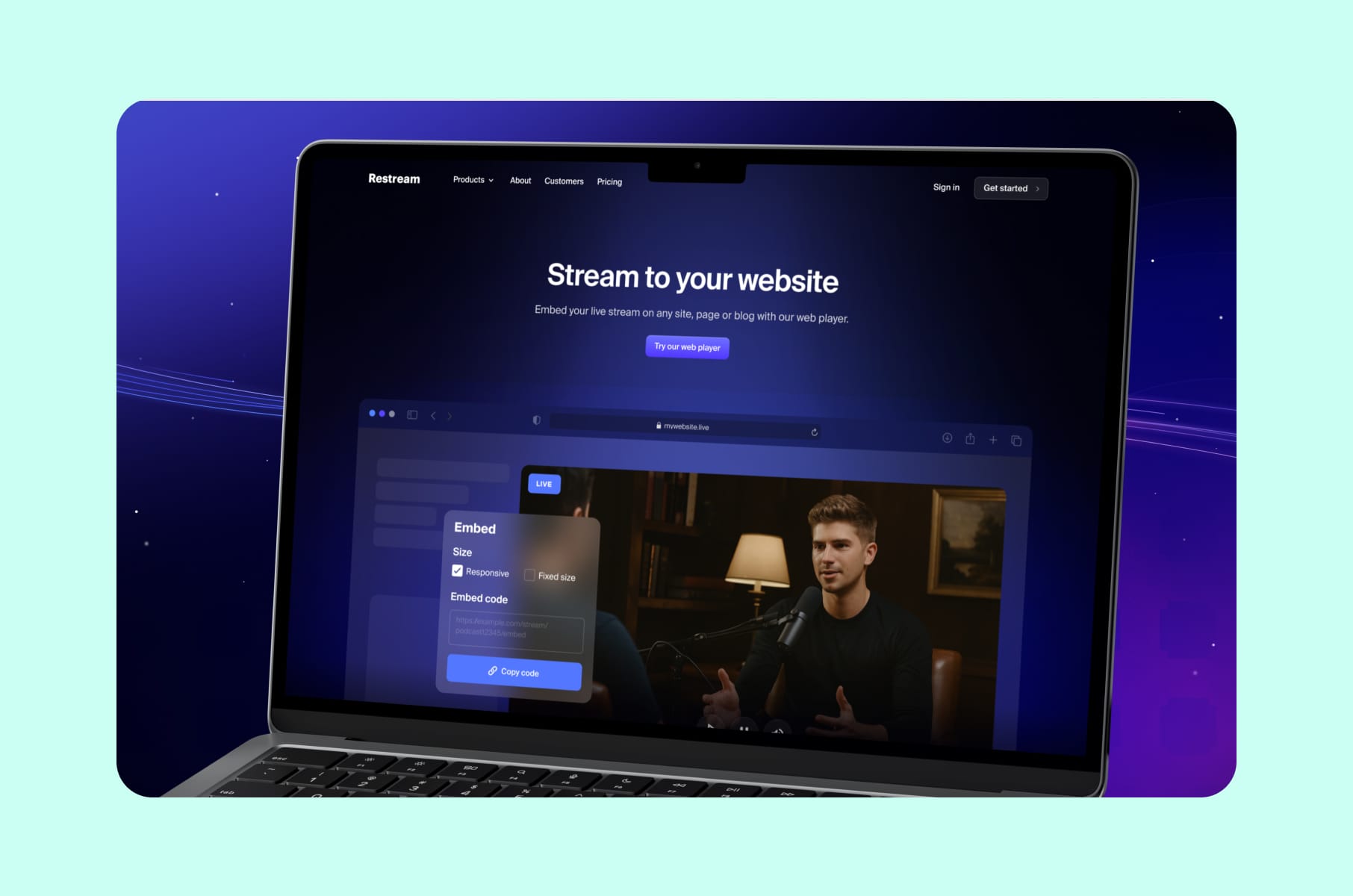
That's why Restream keeps us on for ongoing website design and development, since new campaign pages reuse the same component library and launches take days instead of sprints. And for Agentless, we built Webflow components mirroring their product UI, so their own team updates the site without breaking the design.
Here's the whole comparison in one place:
Split teams (two vendors) | Integrated team | |
Handoff | Formal, one-way, lossy | Continuous, conversational |
Interactions & animations | Often cut or simplified | Designed and built by the same people |
Timeline | Sequential, revisions loop through two backlogs | Overlapping phases, faster feedback |
QA | Blame negotiation between vendors | One checklist, one owner |
Accountability | "The design was unclear" / "The build is wrong" | One team owns the result |
Maintenance | One-off pages, developer-dependent | Component system your team can edit |
Your role | Project manager and translator | Client with one point of contact |
How to run startup website design and development right
Suppose you're convinced and want to do this properly.
What does a healthy website design and development process look like? Whether you work with us, another integrated partner, or a carefully assembled internal duo, here’s what works.
(Also, it's roughly the tried-and-tested process behind our own web design services for startups - that’s why we are recommending it to begin with.)
1. Discovery before pixels.
Define who the site is for, what action they should take, and how you'll measure success. If you already have a live site, start with a UX audit to learn what's broken before deciding what to rebuild.
2. Wireframes and content together.
Layout and copy shape each other, so draft them in parallel. Real headlines in wireframes are much better than lorem ipsum, and half of all layout problems turn out to be content problems in disguise.
3. Visual design with a developer in the room.
Every layout decision gets a quick feasibility check while it's still cheap to change. This is also where the things that make a startup site convert get locked in: a clear hero, visible product screenshots, honest pricing.
If you're after concrete patterns, we've done a teardown of the best SaaS product page designs - be sure to check it out after you’re done reading this one.
4. Build on the right platform.
For most startup marketing sites, a Webflow development agency setup wins: production in weeks, clean code output, and marketers who can edit content without engineers. Custom code makes sense when you need deep integrations or speed a platform can't reach, which is where our web development services lean on React and Next.js.
The popular Webflow versus traditional coding comparisons mostly agree that you should pick how fast you can change things first and flexibility second.
5. QA with a performance budget.
Test on real devices, with real content, against the source designs. And hold the line on speed, because each extra second of load time can cost you up to 7% in conversions, which erases whatever the design gained.
6. Launch, measure, iterate.
The first version is basically a guess. Watch analytics and run tests. And just keep shipping. This is also why the component system matters so much - changing things is only cheap if the site was built to be edited.
One addition from our own projects: keep a single shared definition of "done." A page is finished once it matches the design on real devices, with real content in place.
Choosing a partner
Plenty of agencies claim to do both halves, so how do you check?
The shortest useful question is simply: who exactly builds the site? If the design agency quietly subcontracts development (or the reverse), you're back to a split team with extra markup on the invoice.
A few more things worth checking. Ask to see live sites rather than Dribbble shots, then inspect them yourself - does the mobile layout hold up, and do the animations feel intentional? Then ask how designers and developers talk to each other during the build, who runs QA and against what checklist, and who updates the site after launch.
Our guide to vetting a B2B web design agency has the full question list.
One more thing. If your current site was built by a split team and it shows, you rarely need to start from zero. A structured redesign - our website redesign services do this weekly - can usually keep the brand and fix the build.
Wrap-up
The split-team setup fails startups because ownership doesn't split cleanly the way work does. You can hand half the work to one vendor and half to another, but you can't hand either of them the finished website, because that only exists after both halves meet. Somebody has to own that meeting point. If you don't hire that person, the job quietly becomes yours.
Integrated website design and website development removes the gap entirely.
Design decisions get made with the build in mind, the build gets checked against design intent, and one team answers for what's live - which is how sites launch on schedule and keep improving after.
If your startup's website is stuck between two vendors, or you'd rather skip that stage altogether, that's exactly what we do at Merge. Take a look at our web design for startups service or get in touch, and we'll show you what one team can do.
FAQ
What's a good example of web design done right?
Look at our CoinLedger case: a ground-up redesign and rebuild that doubled conversion rate for a Fintech startup. The lesson isn't really about the visuals. Design and build were done by one team, so nothing got lost between the two, and what shipped was what got approved.
What is a web design company, and how do I know if it's integrated?
A true web design company employs designers and developers (plus, ideally, UX and QA) under one roof and one process. The test is simple: ask whether the people designing your site and the people coding it attend the same standup. If the answer is fuzzy, development is probably subcontracted, and you'll be the one managing the gap.
How long does startup website design and development take?
For a typical marketing site, expect roughly 10 to 20 weeks end-to-end once you add up planning, design, development, and testing. Integrated teams often land closer to the short end because design and development overlap - we've shipped two-month, two-site projects that way. Split-vendor projects tend to run past the long end thanks to waiting and revision loops.
Do I really need custom design, or is a template fine early on?
A template is a fair start if you're pre-launch and just need a presence. Still, visitors judge your credibility on design in a fraction of a second, and our design process guide explains when custom becomes worth the money. In short, once your website is your main sales channel, a template starts costing you more than a designer would.
Is web development dead due to AI?
No. AI writes code and first-draft layouts much faster than it used to, but it doesn't own the result. It still takes people to decide what the site should do, wire up integrations, hit performance targets, and answer for what's actually live. The U.S. Bureau of Labor Statistics still projects web-developer roles growing faster than the average occupation through 2032. What's changing is the mix of the work: AI absorbs the repetitive parts, which raises the value of judgment, ownership, and everything covered above in the gap between design and build.
How to use ChatGPT to build a website?
ChatGPT is useful for the early and mechanical parts: drafting copy, generating boilerplate HTML and CSS, scaffolding a layout, or explaining an error message. For a quick prototype or a simple one-page site, that can be enough. What it can't do is make the strategic calls — your positioning, your funnel, the one thing a visitor should do — or take responsibility for integrations, accessibility, and load speed. Treat it as a fast assistant for first drafts, not as the team that ships your production site. The output also tends to look like every other AI-generated site, which is the opposite of what a funded startup needs.
What are website design and development services?
Website design and development services cover the two halves of building a site and, ideally, the team that owns both. Design decides how the site looks, reads, and guides a visitor; development turns that into working code — CMS, forms, integrations, animations, and performance. When one provider handles both, you get a single owner for the finished site. When the two are split across separate vendors, the live result falls into the gap between them, which is the whole subject of this article.
How much does web design and development cost?
It depends on scope and who builds it. A simple small-business site runs from a few hundred dollars up to around $8,000, a mid-sized custom site lands roughly in the $5,000 to $25,000 range, and a professional or enterprise build starts around $20,000 and climbs past $100,000. For a funded startup where the website is the main sales channel, most projects sit in the low tens of thousands. One cost people forget: splitting the work across a separate designer and developer adds coordination time and change orders on top of the sticker price, which is why an integrated team often ends up cheaper per finished page.
Is web design still in demand in 2026?
Yes. Businesses still need a site that explains what they do and converts, and AI has made "good enough" sites cheap and interchangeable — which raises the value of design that actually stands out. Demand has shifted rather than shrunk: fewer people paying for generic template work, more paying for a site built around their positioning and buyer. The developer and designer roles behind that work are still projected to grow through 2032, and the agencies that do custom, conversion-focused work are as busy as ever.
How much should I pay to design a website?
Pay in proportion to what the site does for you. If you're pre-launch and just need a presence, a template or a low-cost build is fine. Once the website is your main sales channel, a professional custom site — usually in the low tens of thousands for a funded startup — earns its price back in conversion and credibility. The trap is paying custom prices for template work, so before you sign, confirm you're getting a site designed around your business, not a purchased theme with your logo dropped in.
What are the five golden rules of a website?
Most versions of the list agree on the same five: put the user first and build everything around what they need; keep the design and navigation consistent across pages; load fast, since visitors leave slow sites; keep the message and the path to action simple; and design for mobile first, because that's where most traffic now arrives. None of them is about decoration. Each one is about helping a visitor understand what you do and take the next step without friction — which is exactly what separates a site that converts from one that just looks finished.